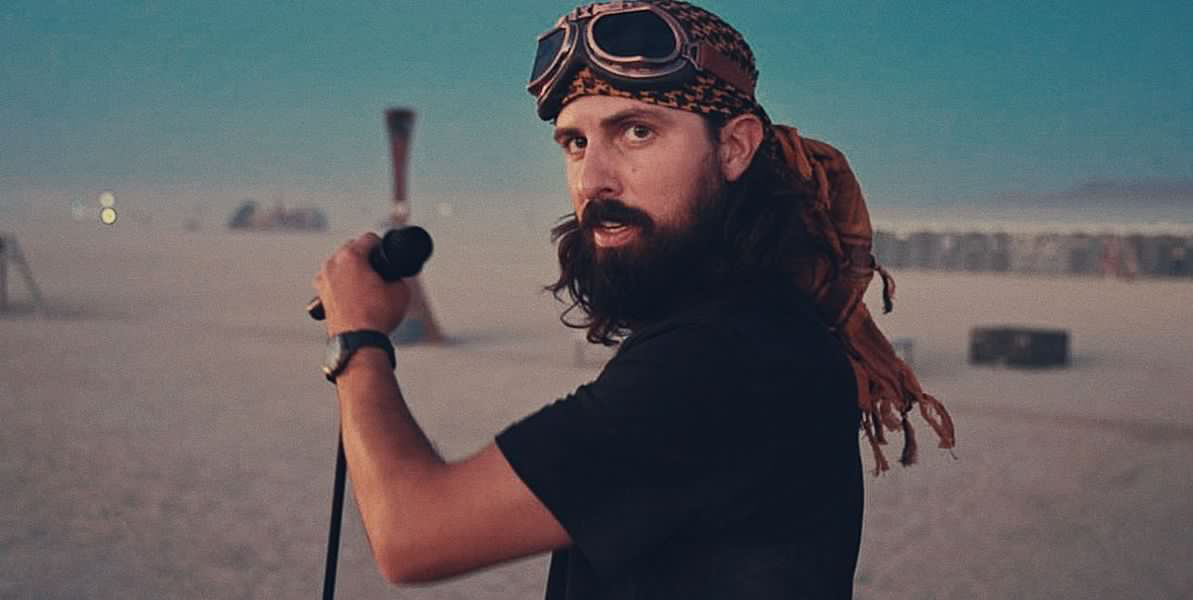
Mix Engineer
Mix Engineer
Nashville · 2010
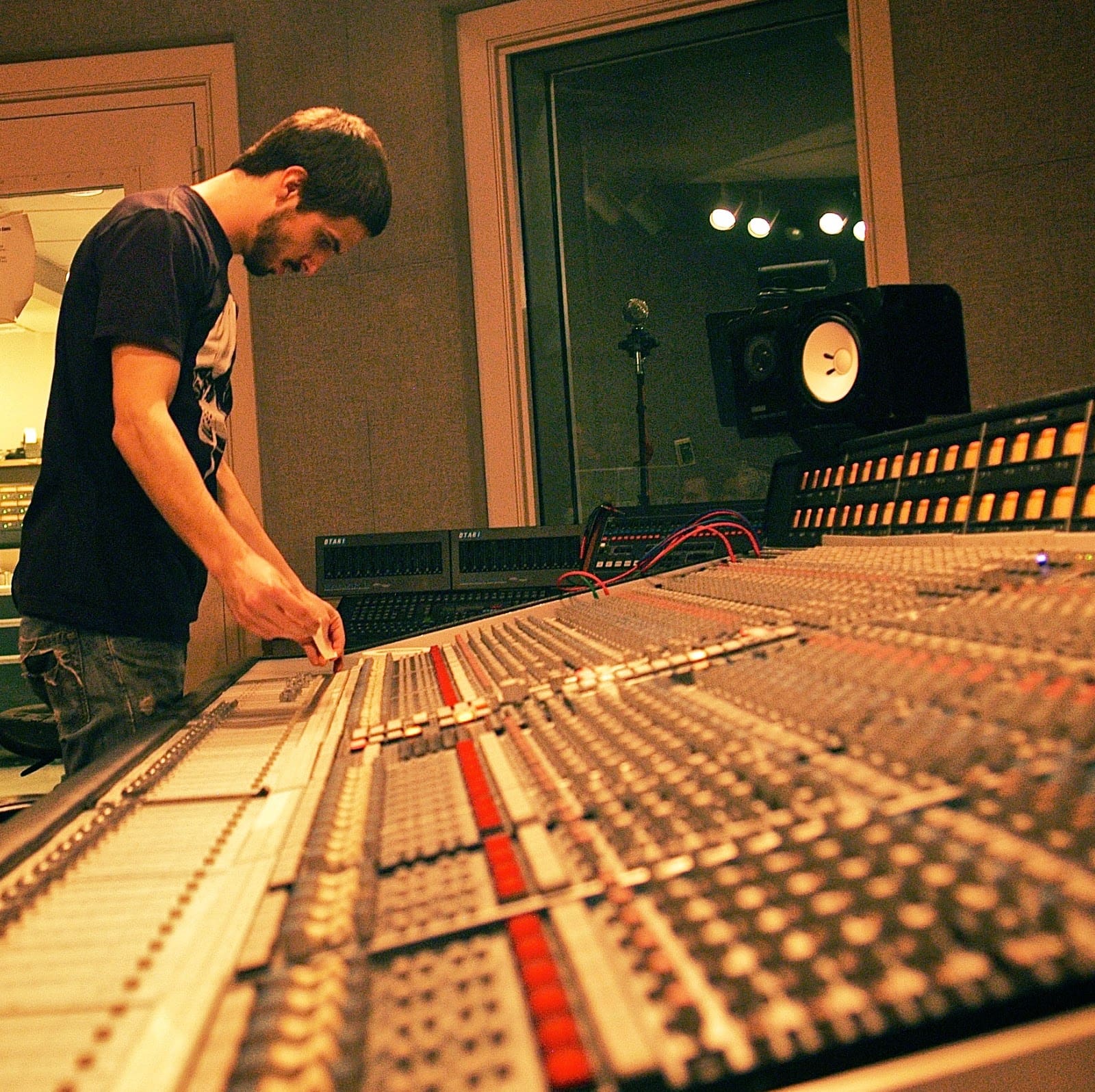
I was lucky enough to attend Belmont University, which got me elbow deep in Nashville studios as early as 2010. I graduated in 2013 with a degree in Music Business and a production emphasis, and hit the ground running.
When I was younger my approach was simple: I'm going to do this for a living or starve to death trying. Fortunately it didn't come to that.
Last Wave Productions · 2011
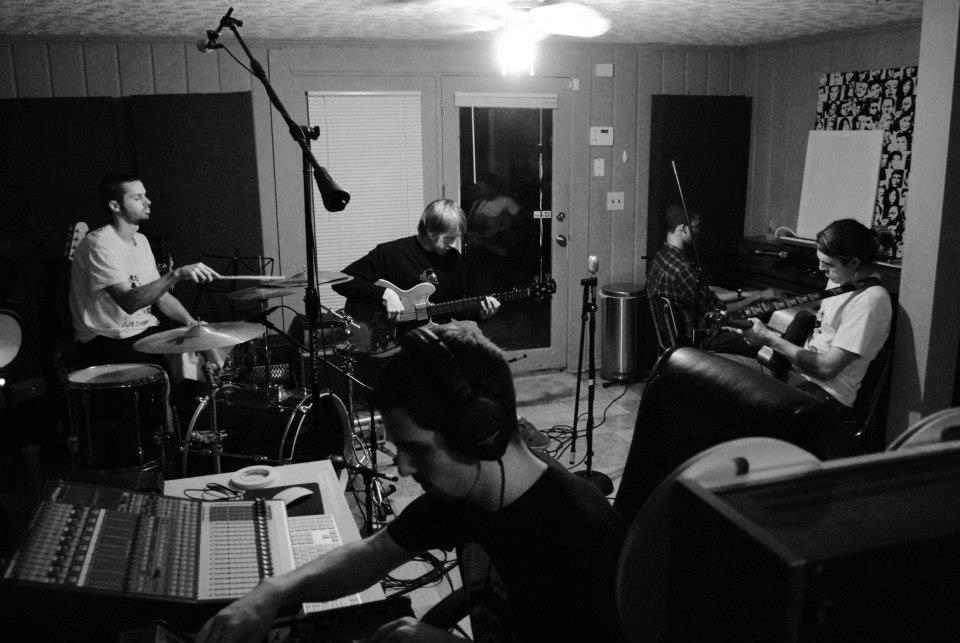
Through my last years at Belmont, some friends and I started a production company called Last Wave Productions. We started with a basement studio that doubled as a house show space, and these weren't your average house shows. Full production, projection mapping from friends who were pioneering the technology, arena subs courtesy of our buddies in Belmont's live audio program. Honestly pretty out of control, and I have no idea how we got away with half of it. That was just part of the magic of Nashville at the time.
Track One Building · 2013
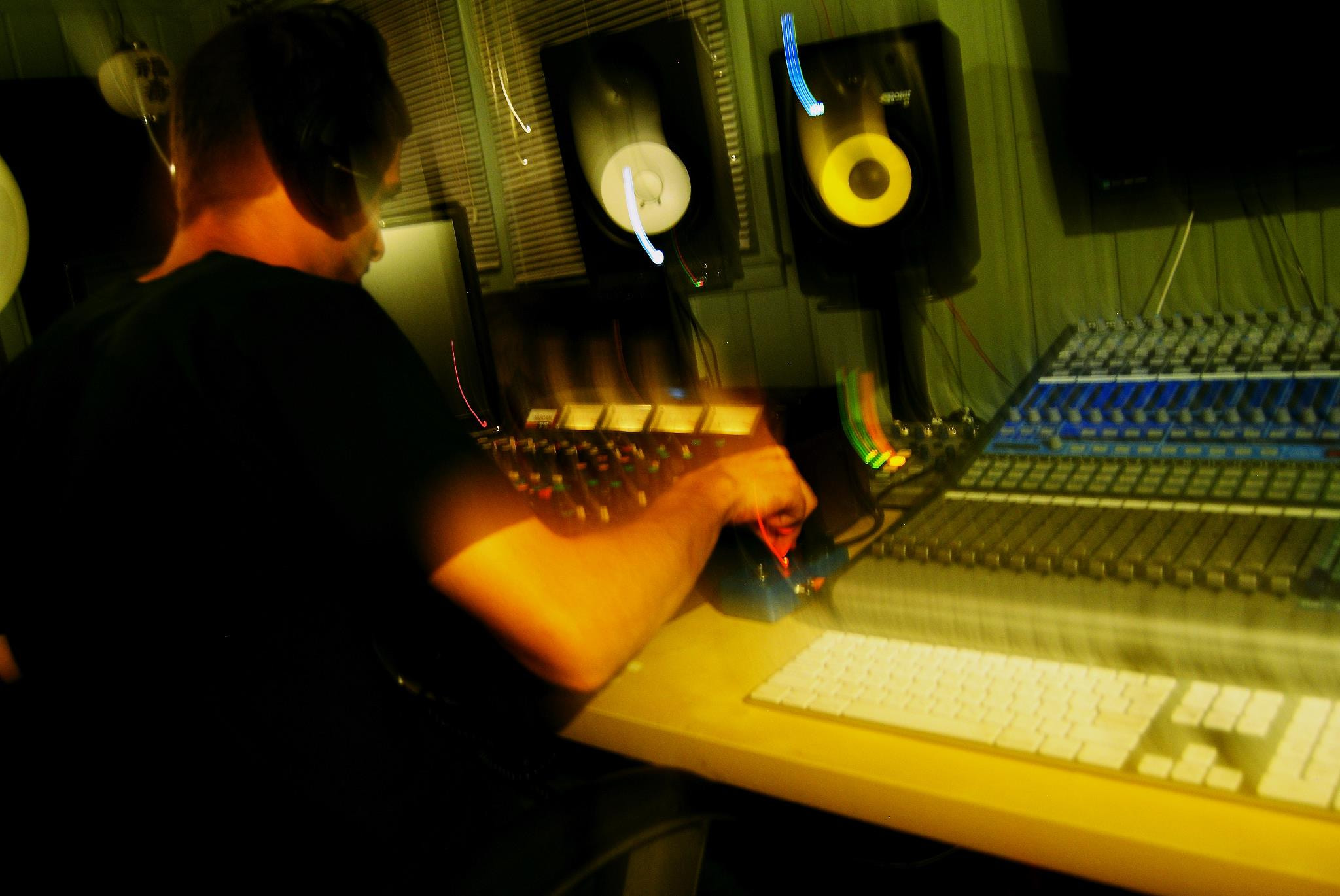
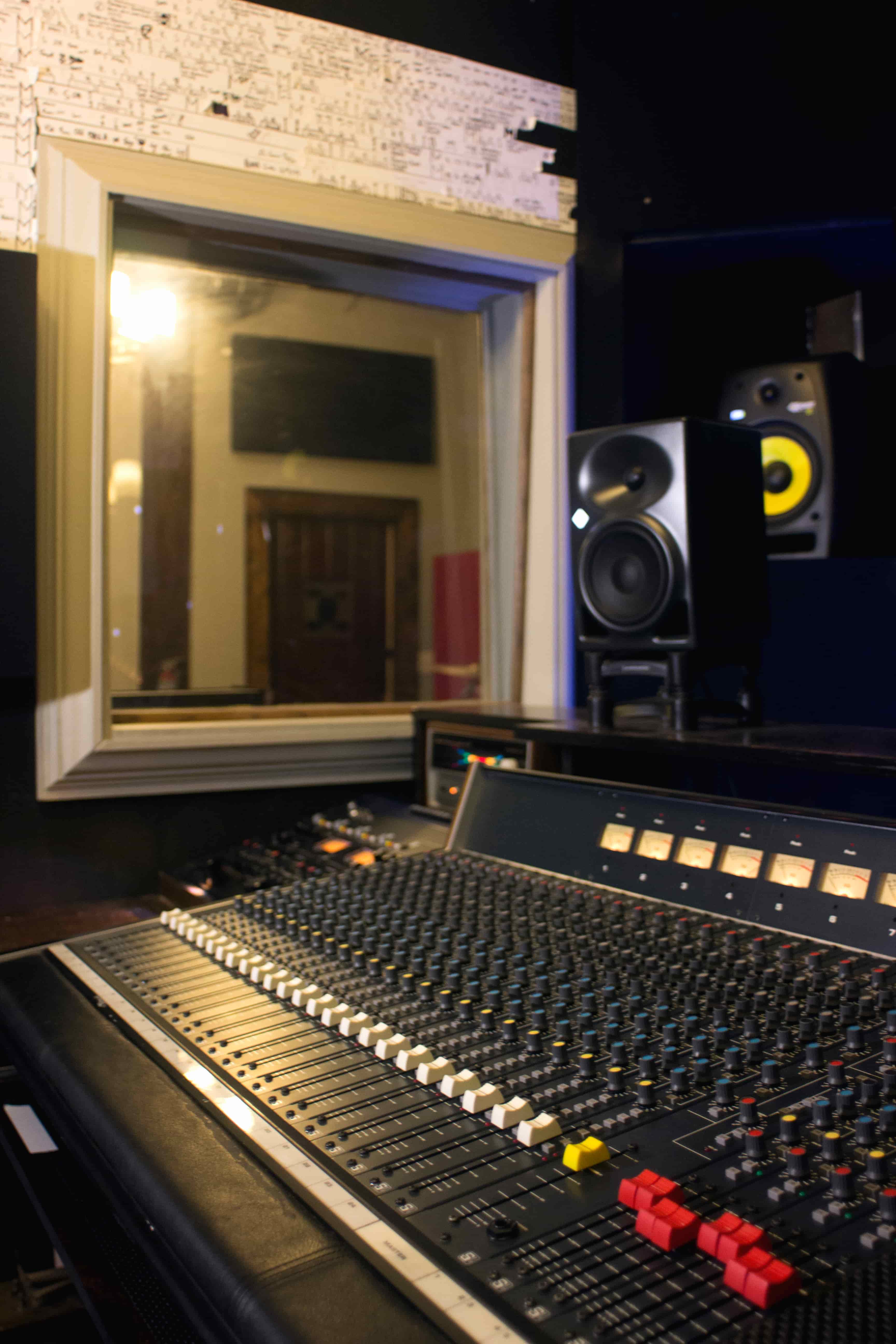
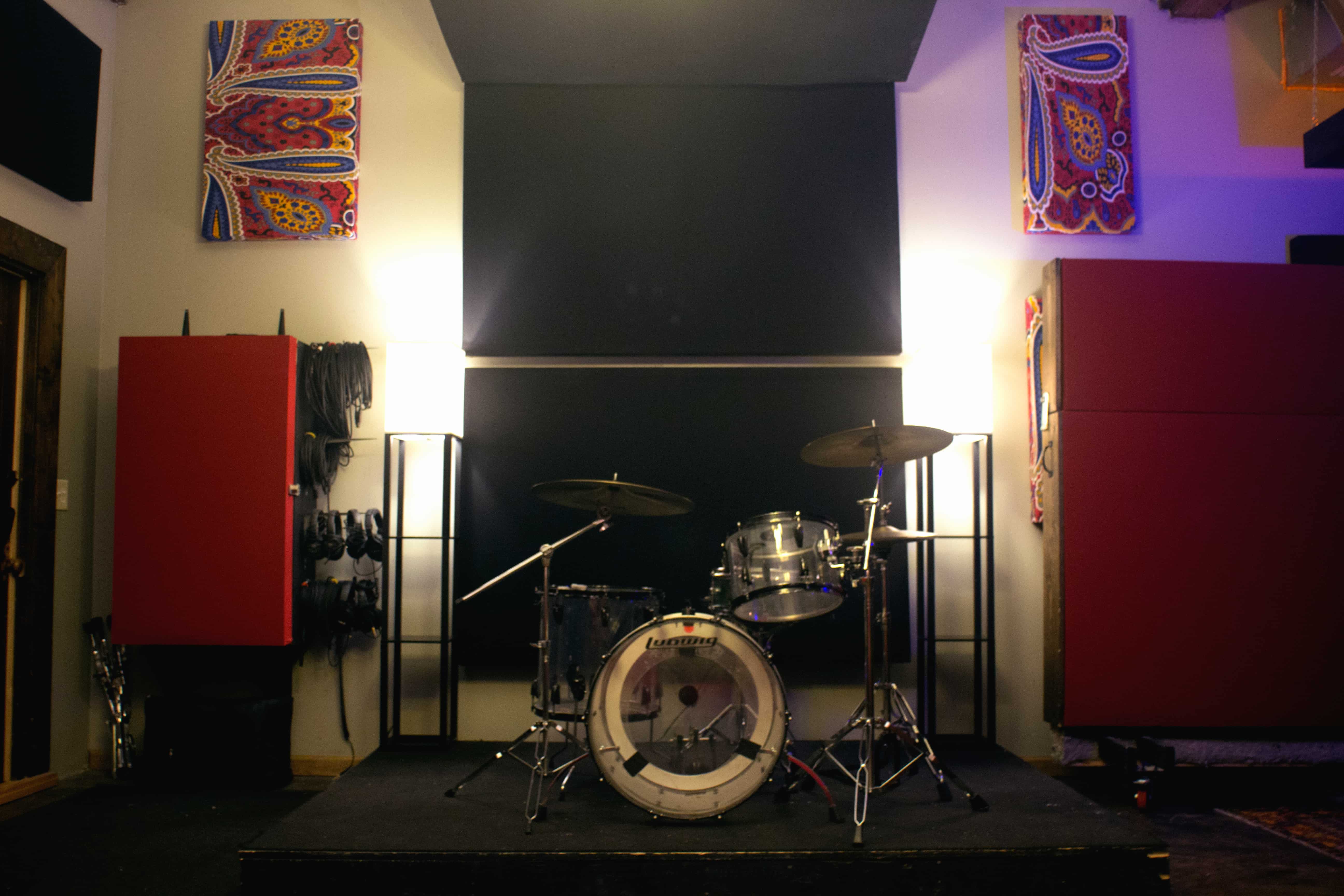
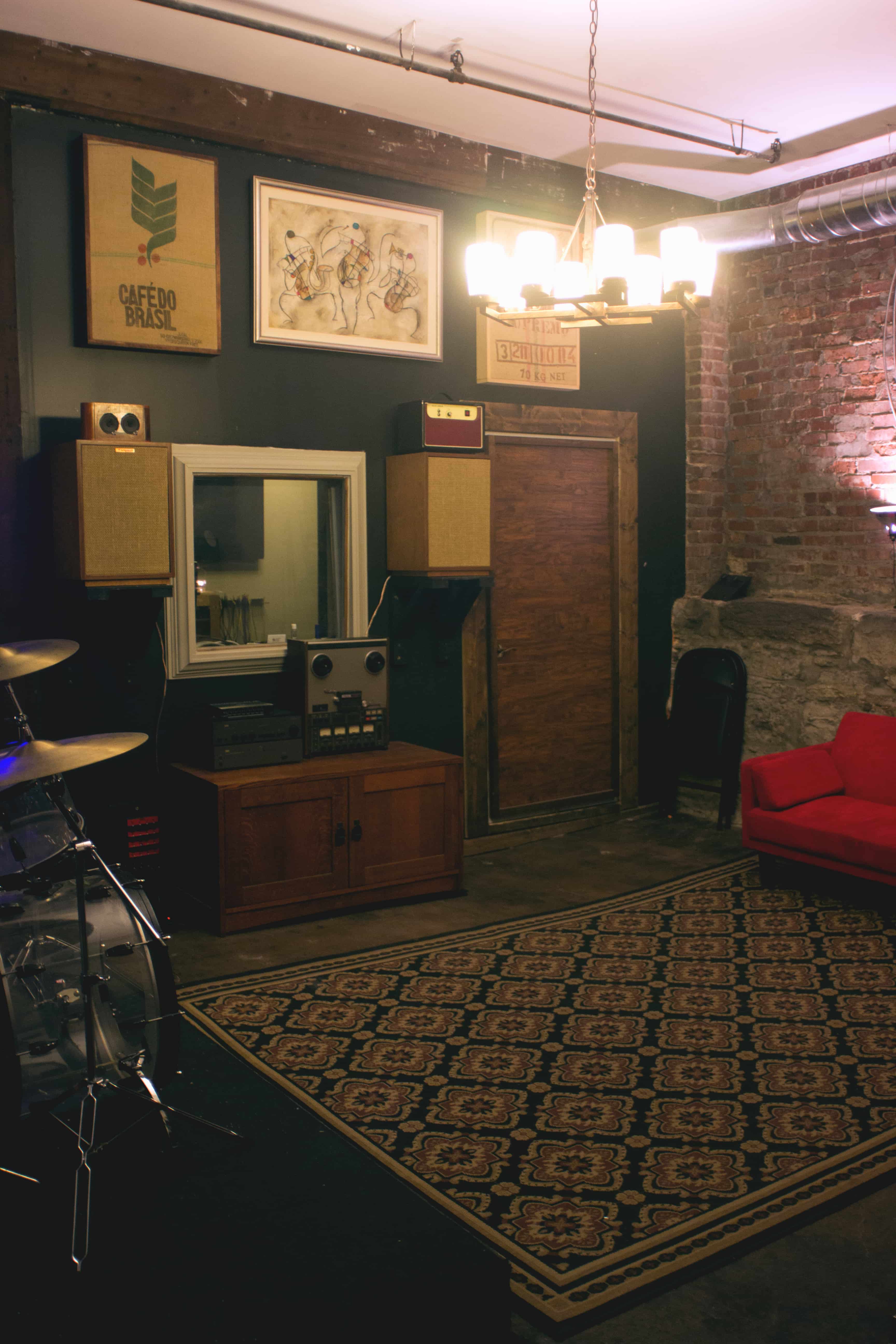
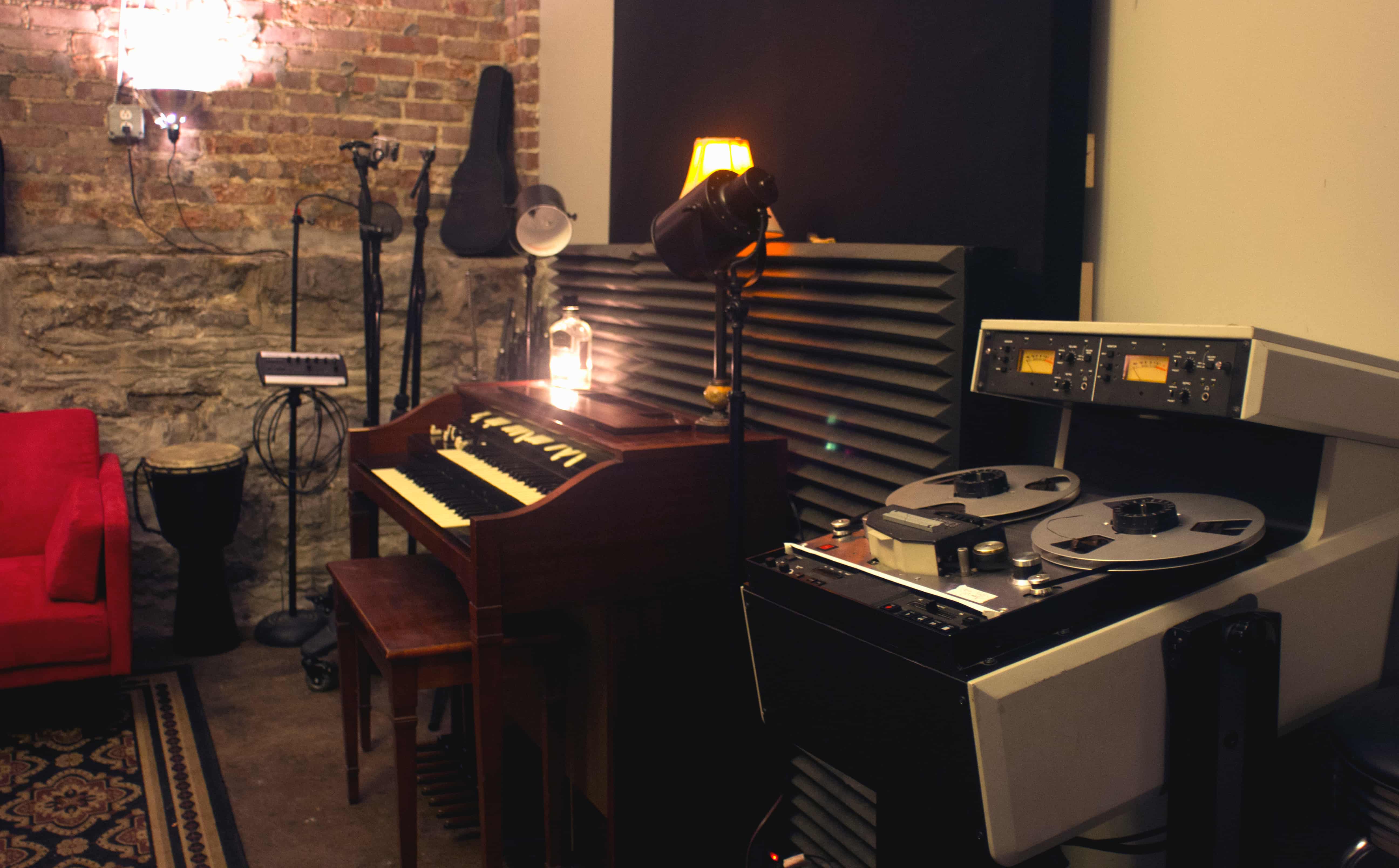
By 2013 I stumbled onto an incredible warehouse space just south of downtown in what was then the very-much-not-yet-up-and-coming Wedgewood Houston neighborhood. I was the first tenant in the building, way back in the corner. 550 square feet, 15 feet underground, 8-foot thick walls, no A/C. Basically a crypt. Perfect for a studio. I built all the acoustic treatment myself and finagled a few mixing consoles and tape machines through Nashville connections. For a twenty-something figuring it out in an oversaturated market, I was pulling it off. The building, known as the Track One Building and still standing today, also came with free reign over two event spaces, which turned out to be the perfect proving grounds for what was coming next.
Dub Cellar · 2014
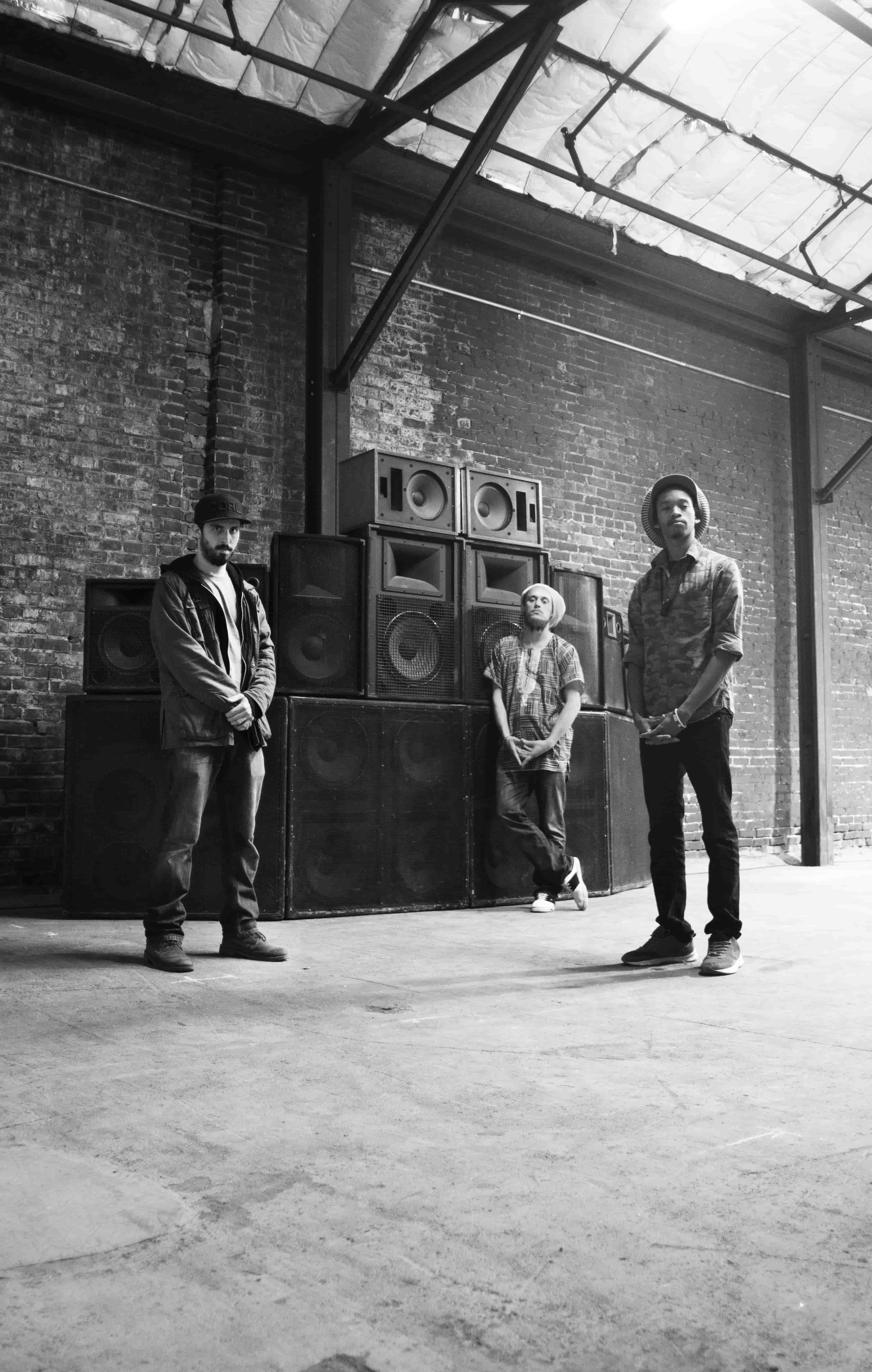
A few of us in the Nashville reggae outfit Roots of a Rebellion started a label called Dub Cellar under the mentorship of Sidney Nelson, a genuine legend who made the Flashing Lights beat for Kanye and spent years at Sony helping build their RED Distribution division, giving independent labels access to major-label infrastructure while keeping full ownership of their music. Sidney went out on his own and we were the first label he launched under that model.
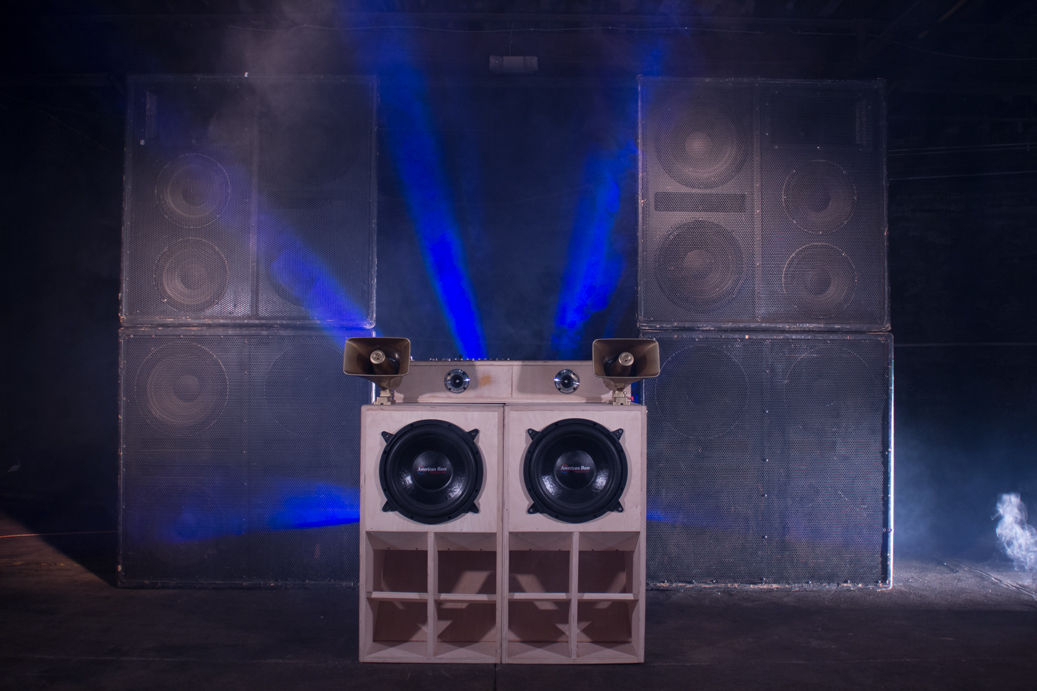
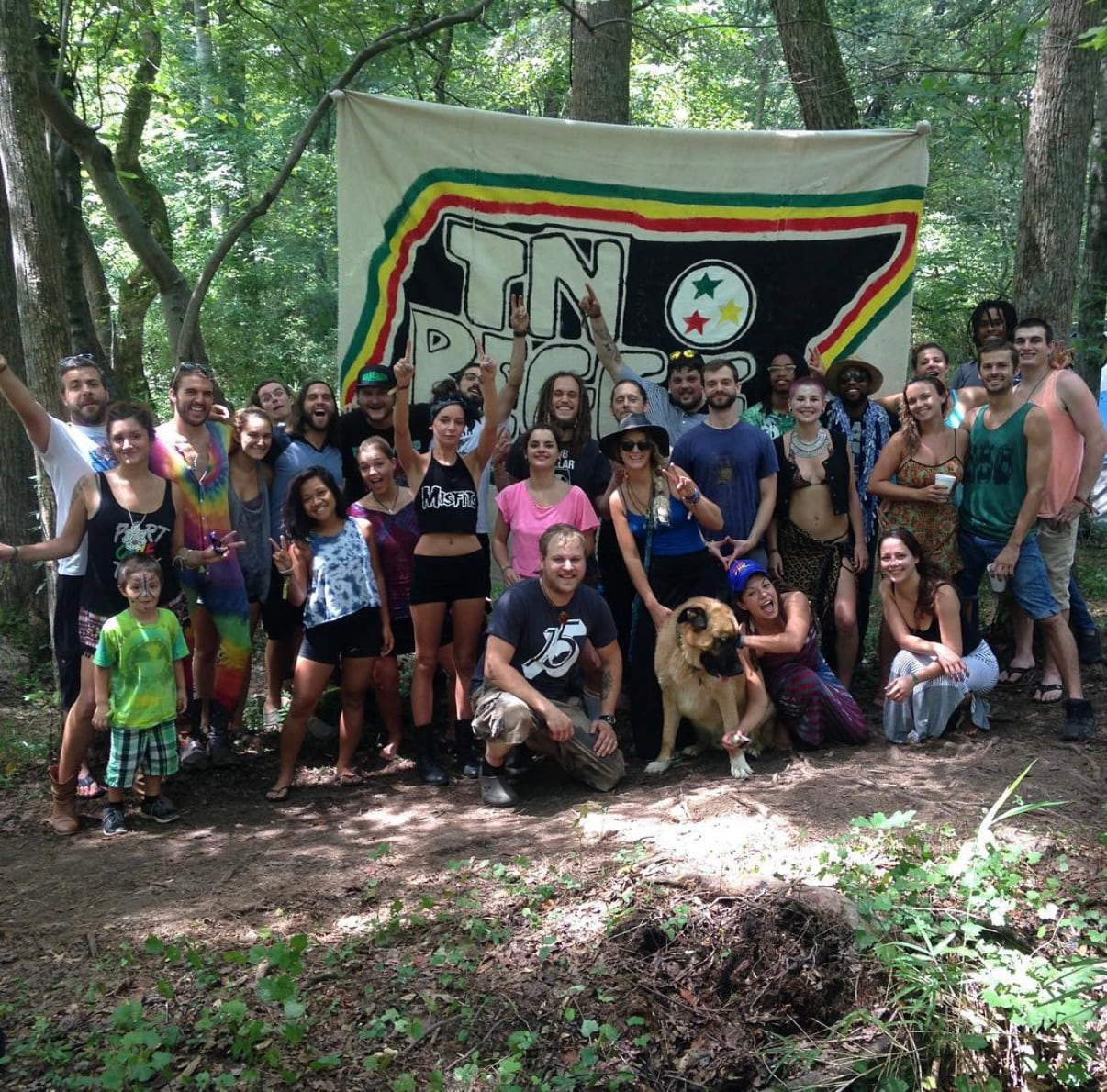
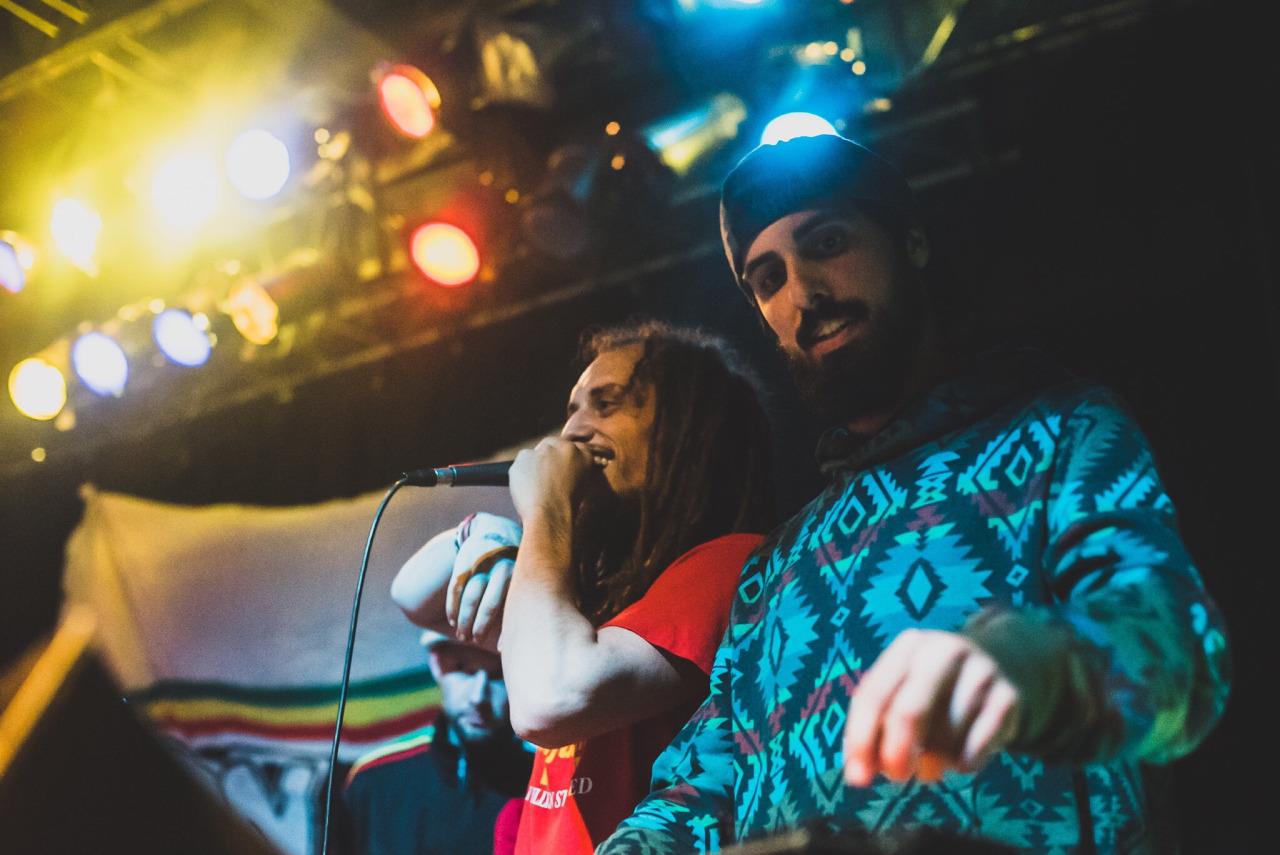
Every artist on the roster kept 100% of their rights after we recouped production costs. In return they contributed to two house sessions a month, mostly dub mixes and live cuts for our sound system. We built our own reggae dance stack from scratch, acquired and rehabbed the historic Exit/In sound system, toured the Southeast with that rig, and ran our own stage at festivals across the region. We built a real reputation as the most unique and powerful reggae crew in the South. That whole chapter shaped the way I hear sound and space in a way that never left.
On the Road · 2017
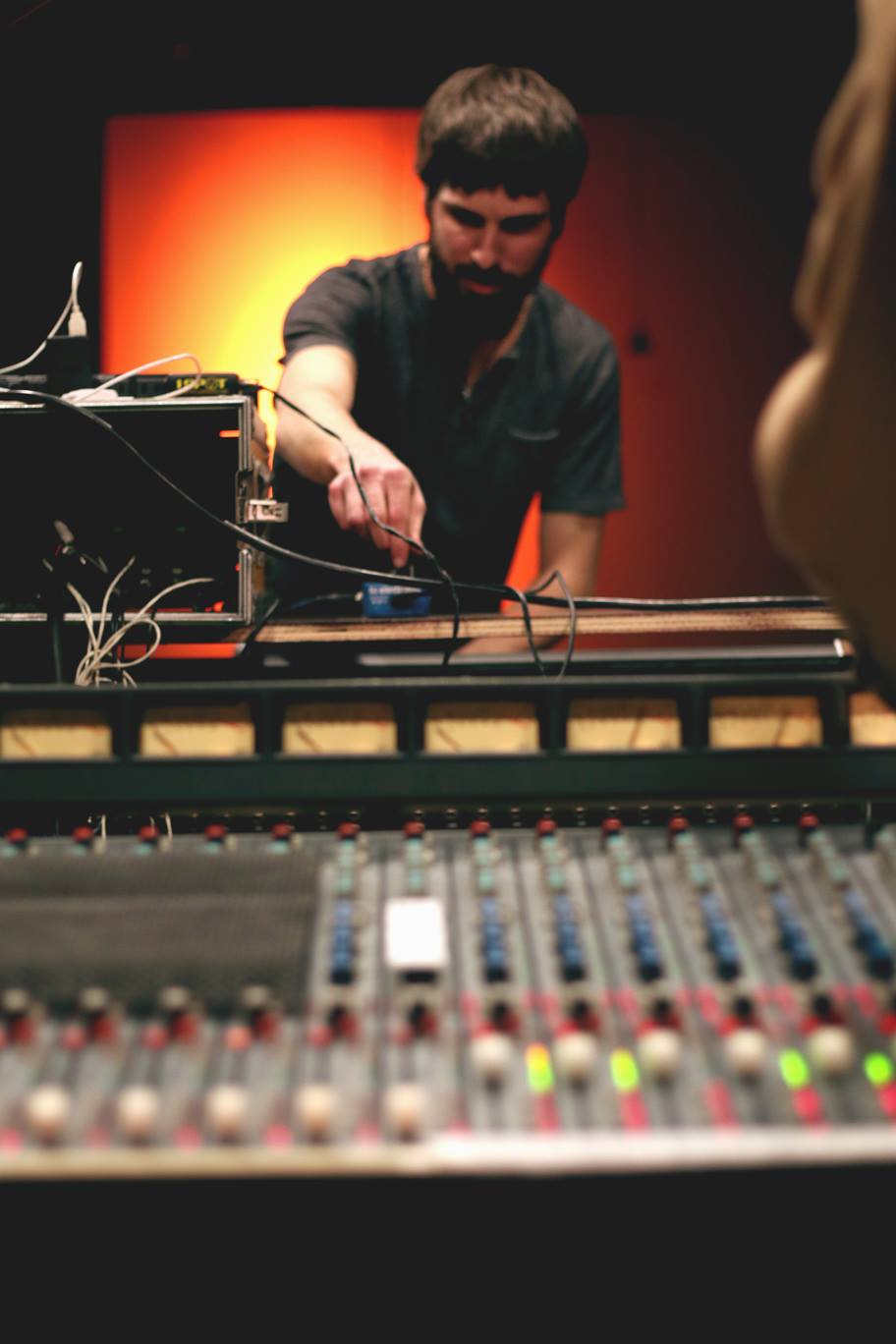
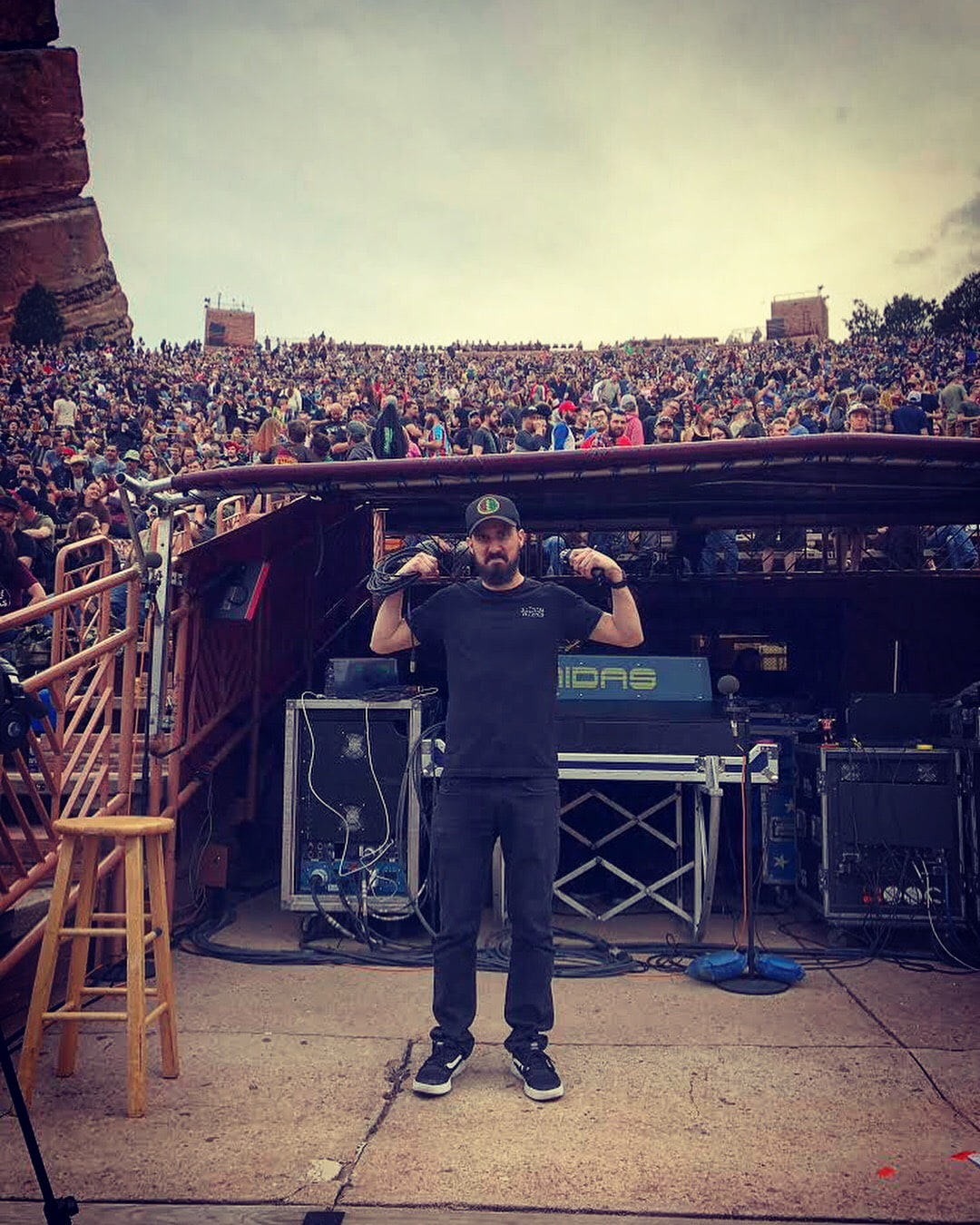
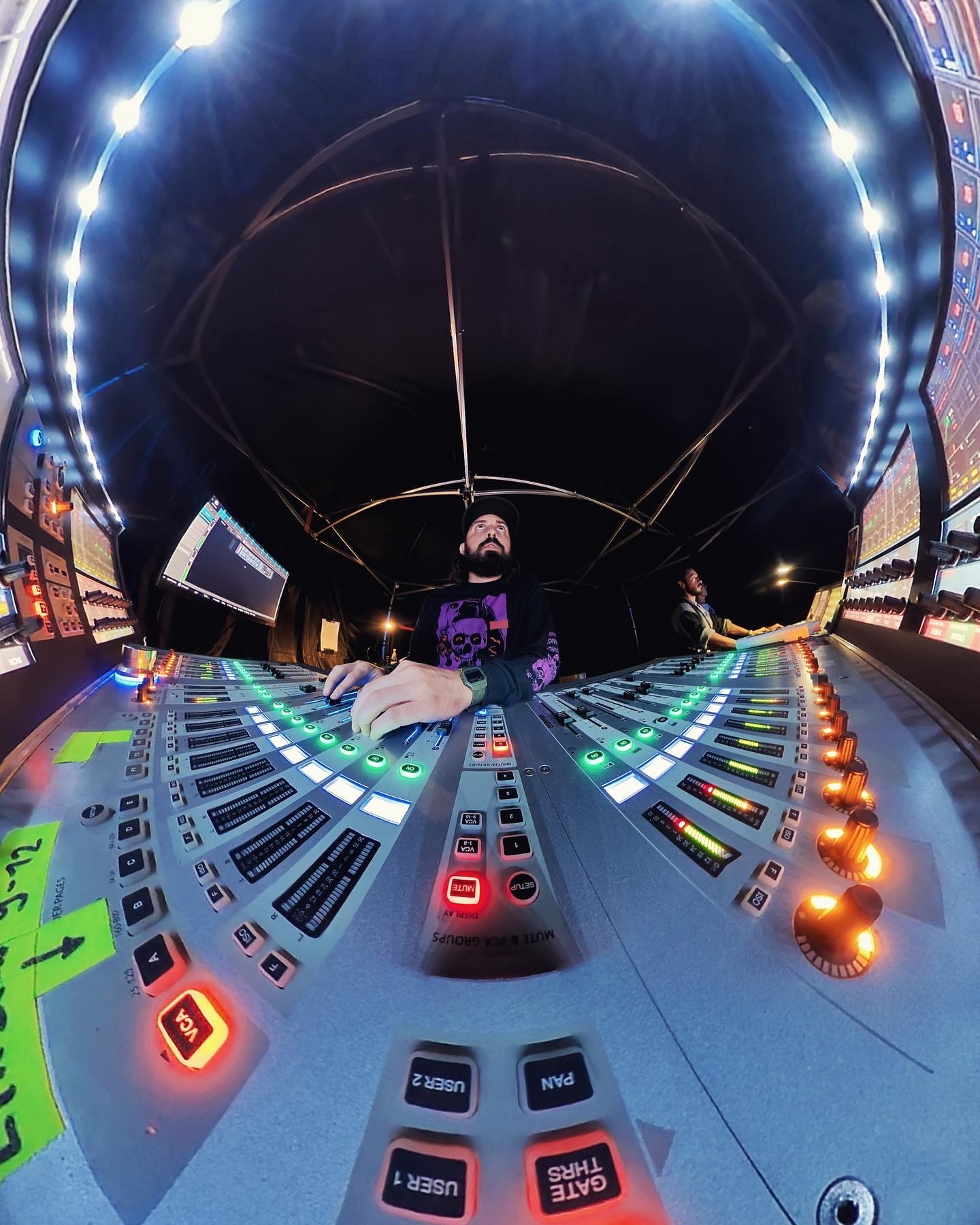
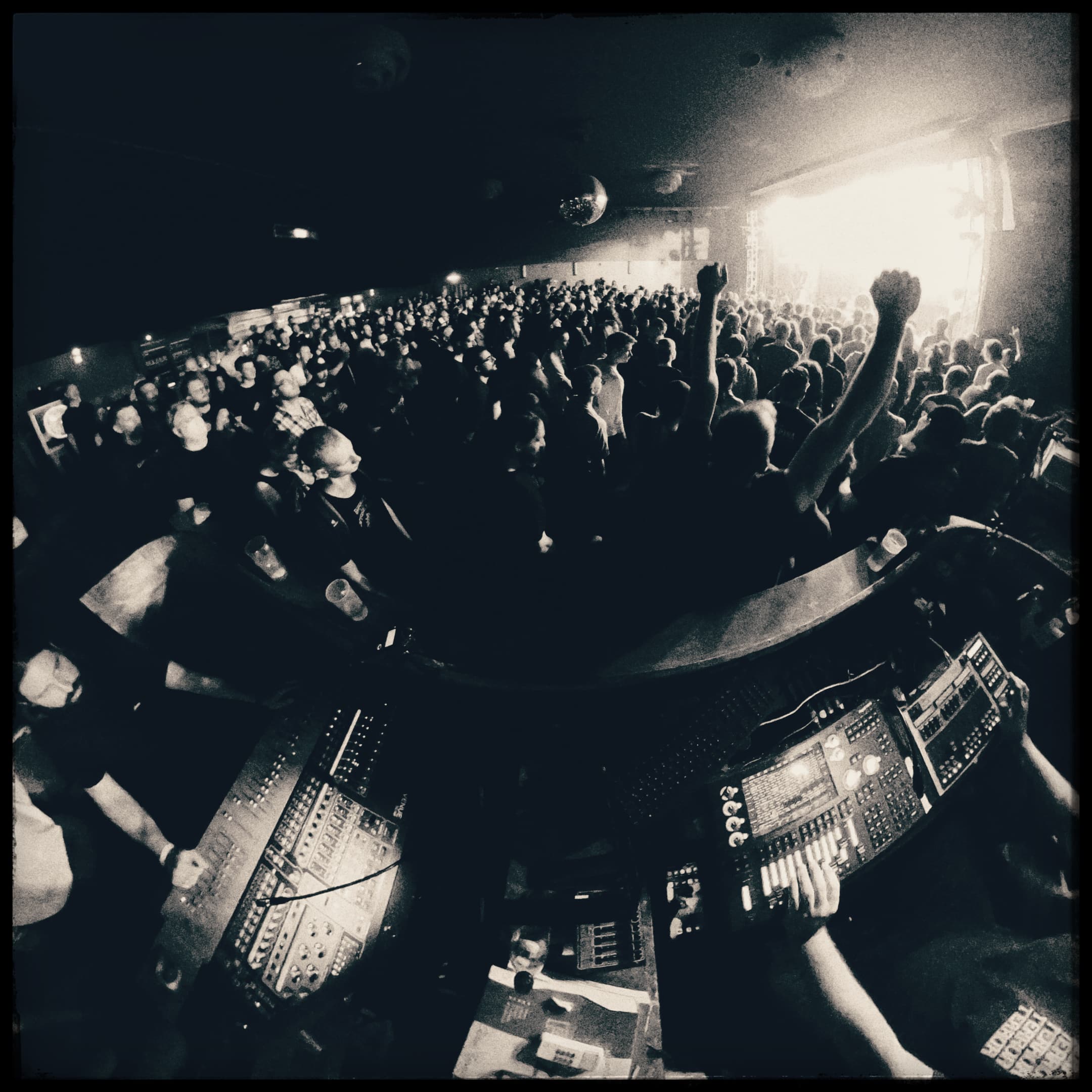
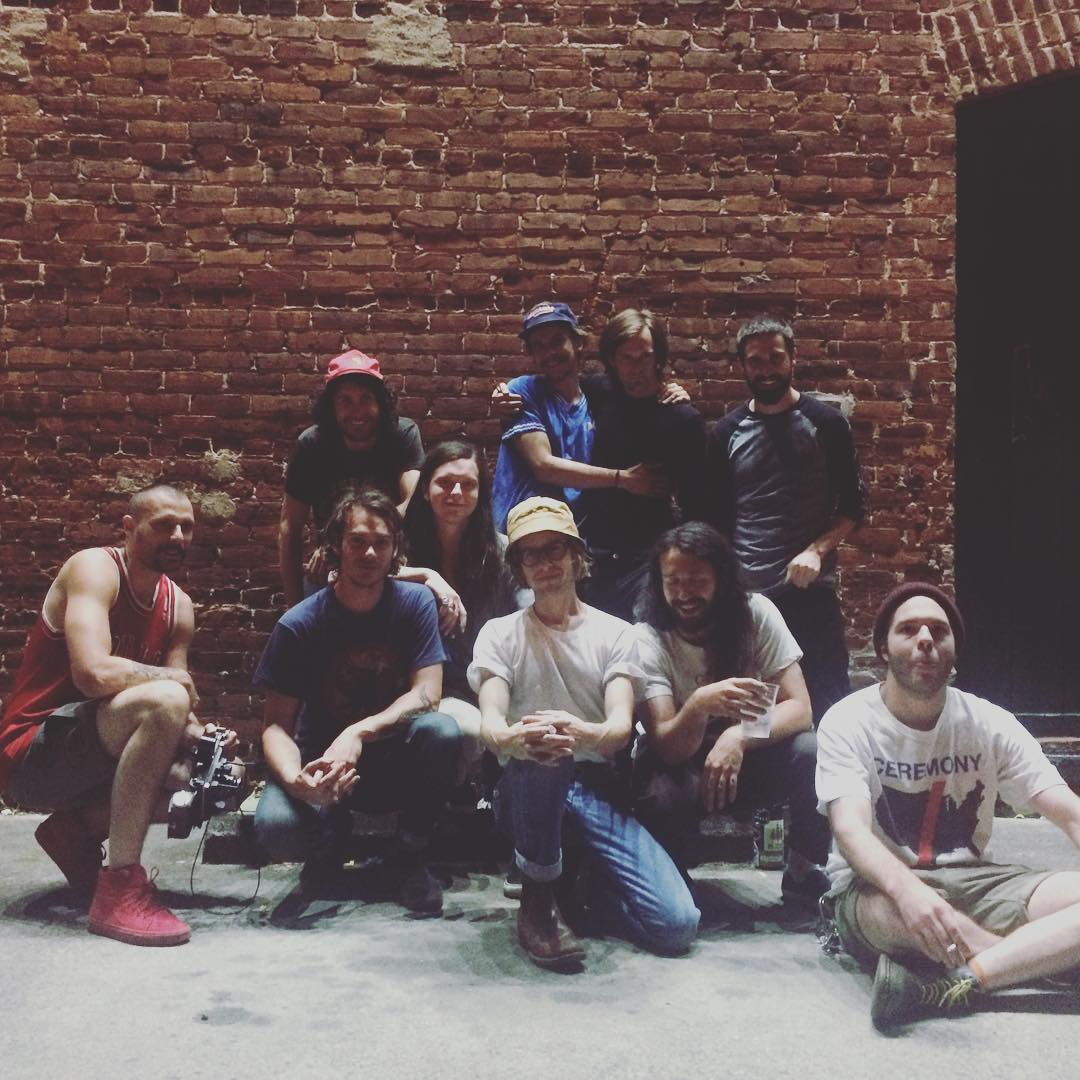
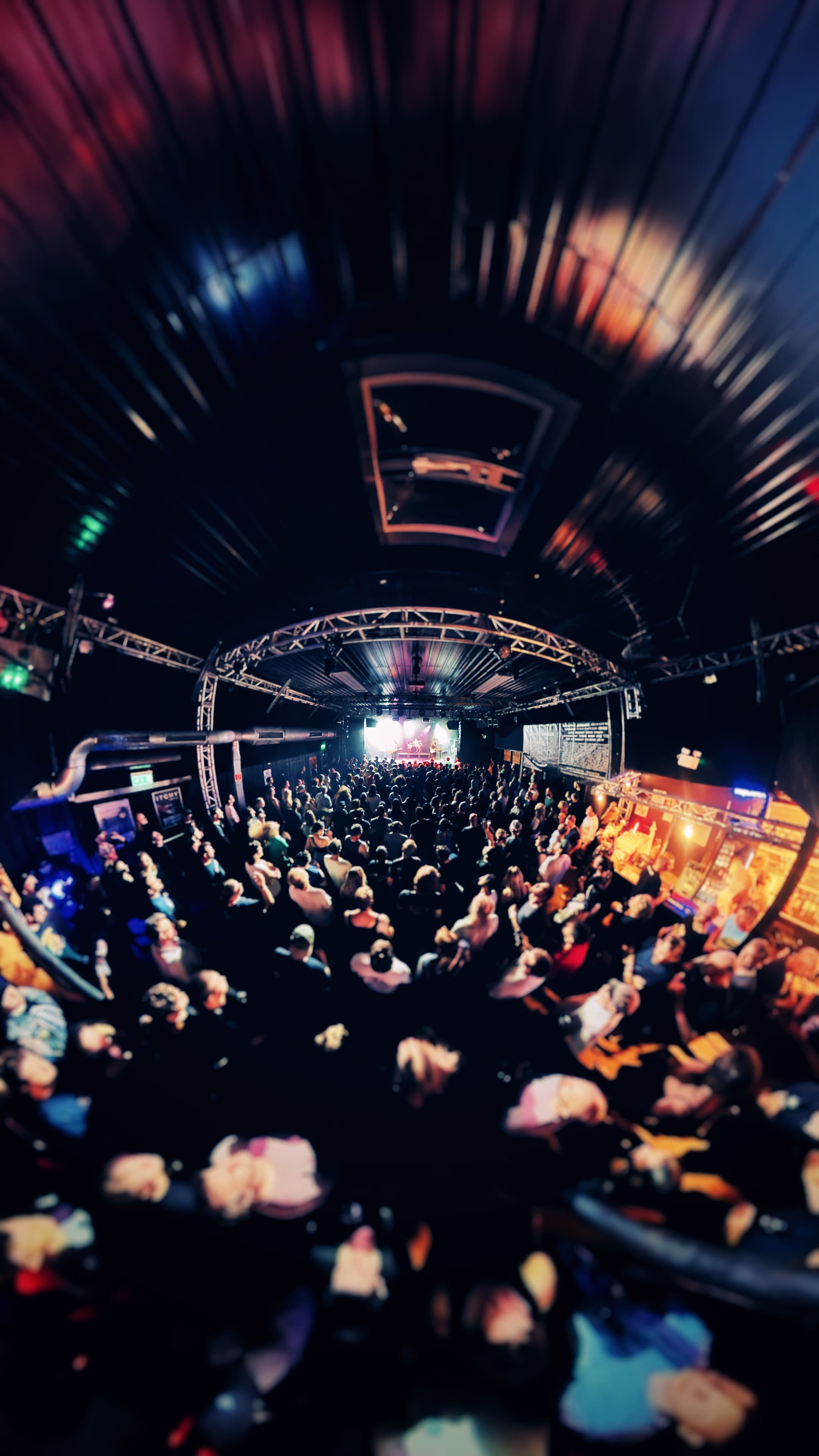
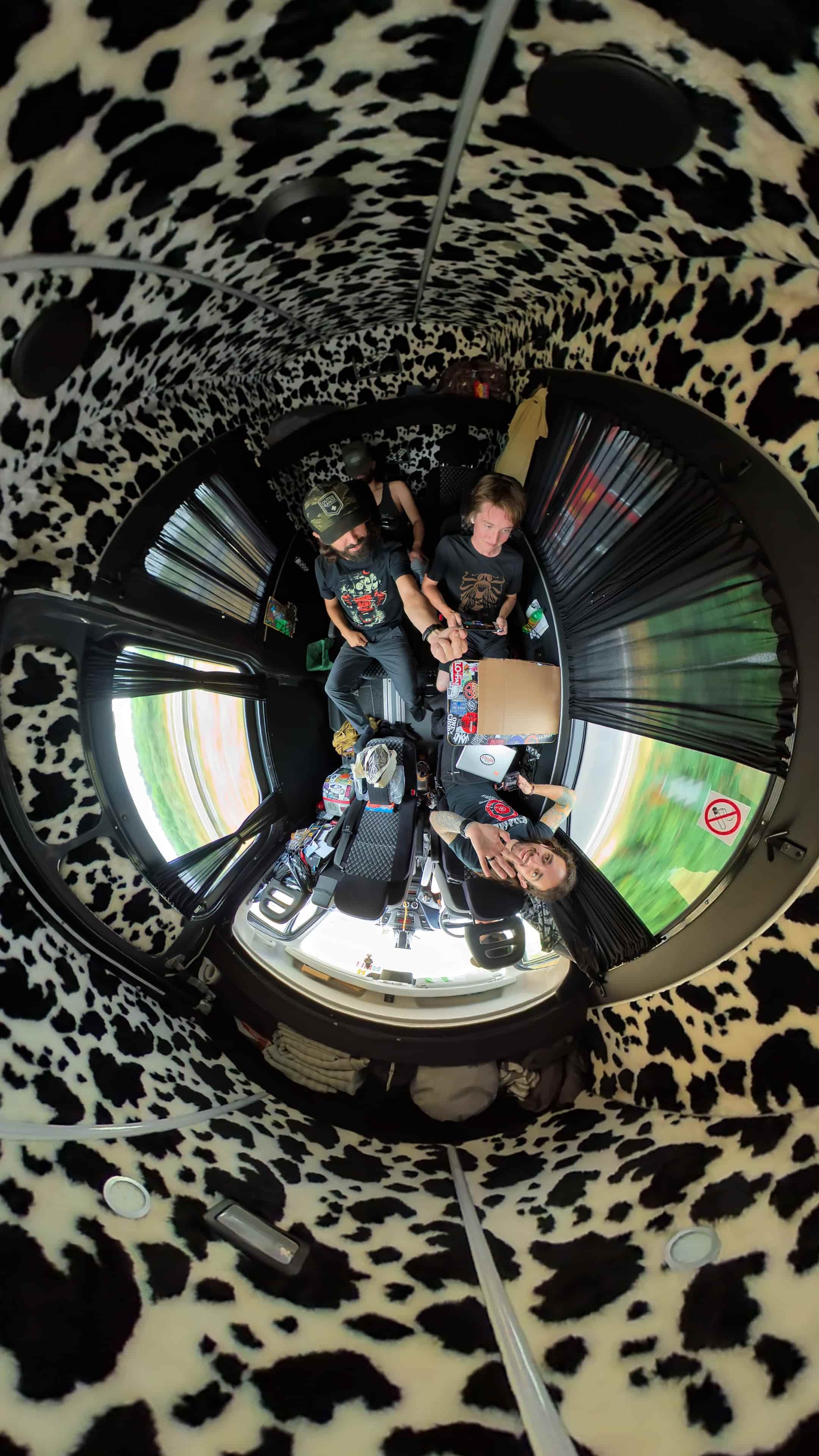
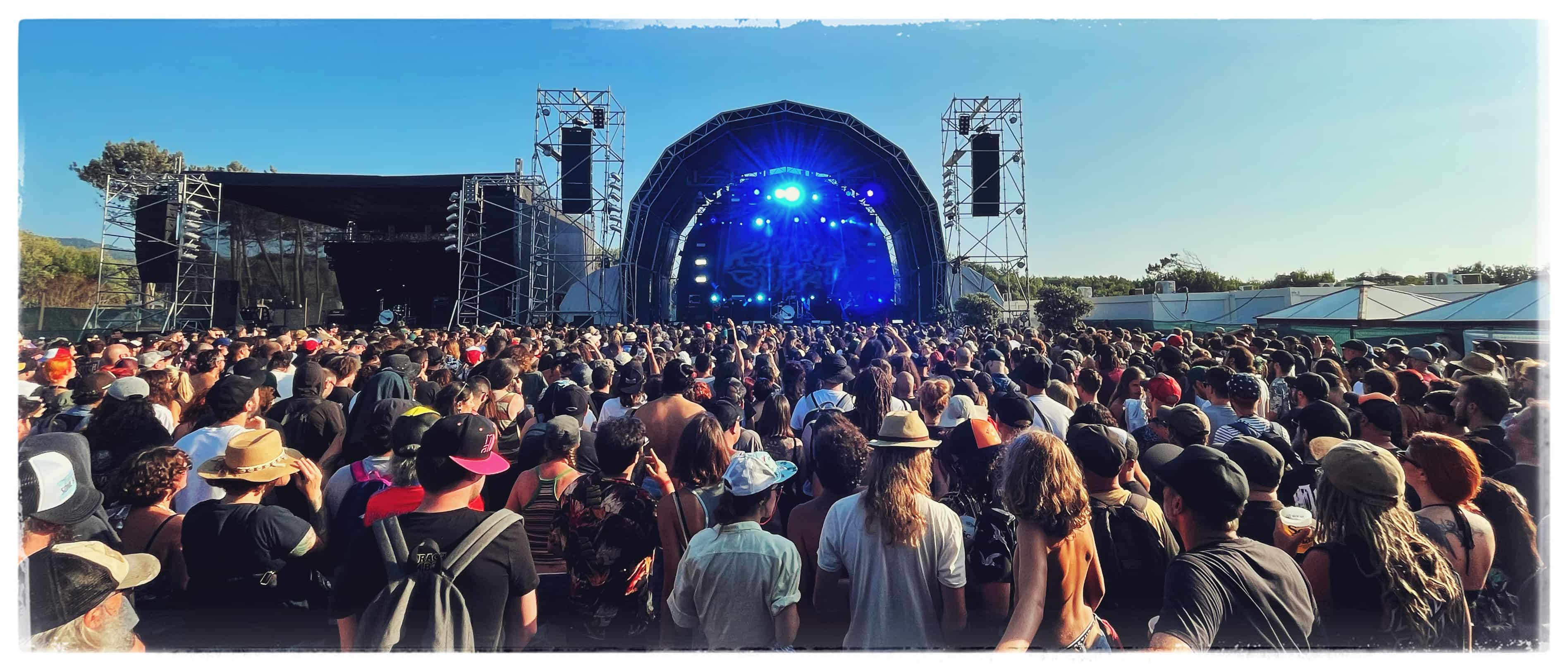
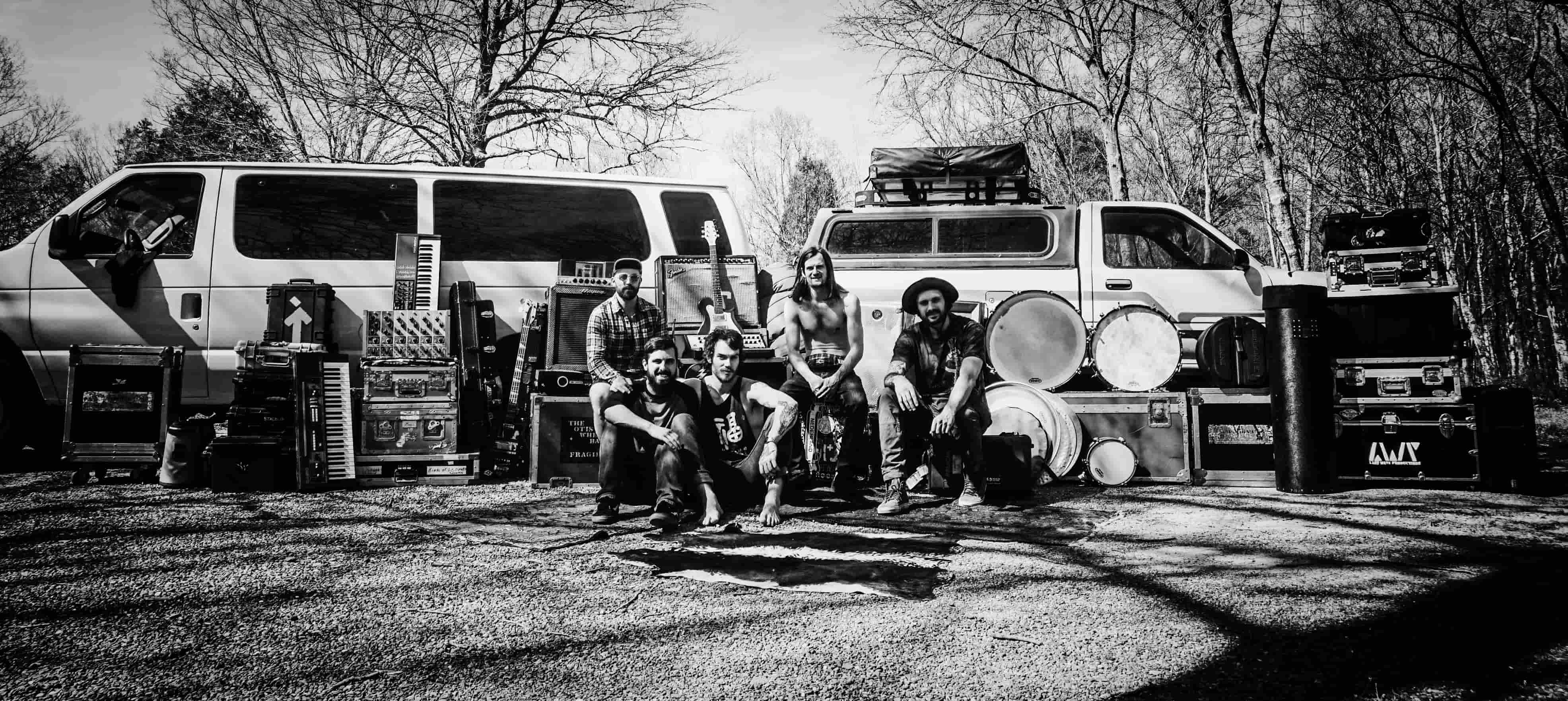
When 2017 hit, the writing was on the wall. I can't fully put my finger on it even now, but something was moving me out. A natural end to an era. As I was shutting down the studio, I linked up with All Them Witches for a one-off New Year's show. Everything clicked that night. The next few years were pretty wild. ATW opened doors I didn't know existed and honestly saved me from walking away from music altogether. They introduced me to King Buffalo and Handsome Jack, which led to some of my favorite projects and relationships I've ever had. The following years took me all over the world, sharing stages with Clutch, Mastodon, Primus, and Uncle Acid. That was one education.
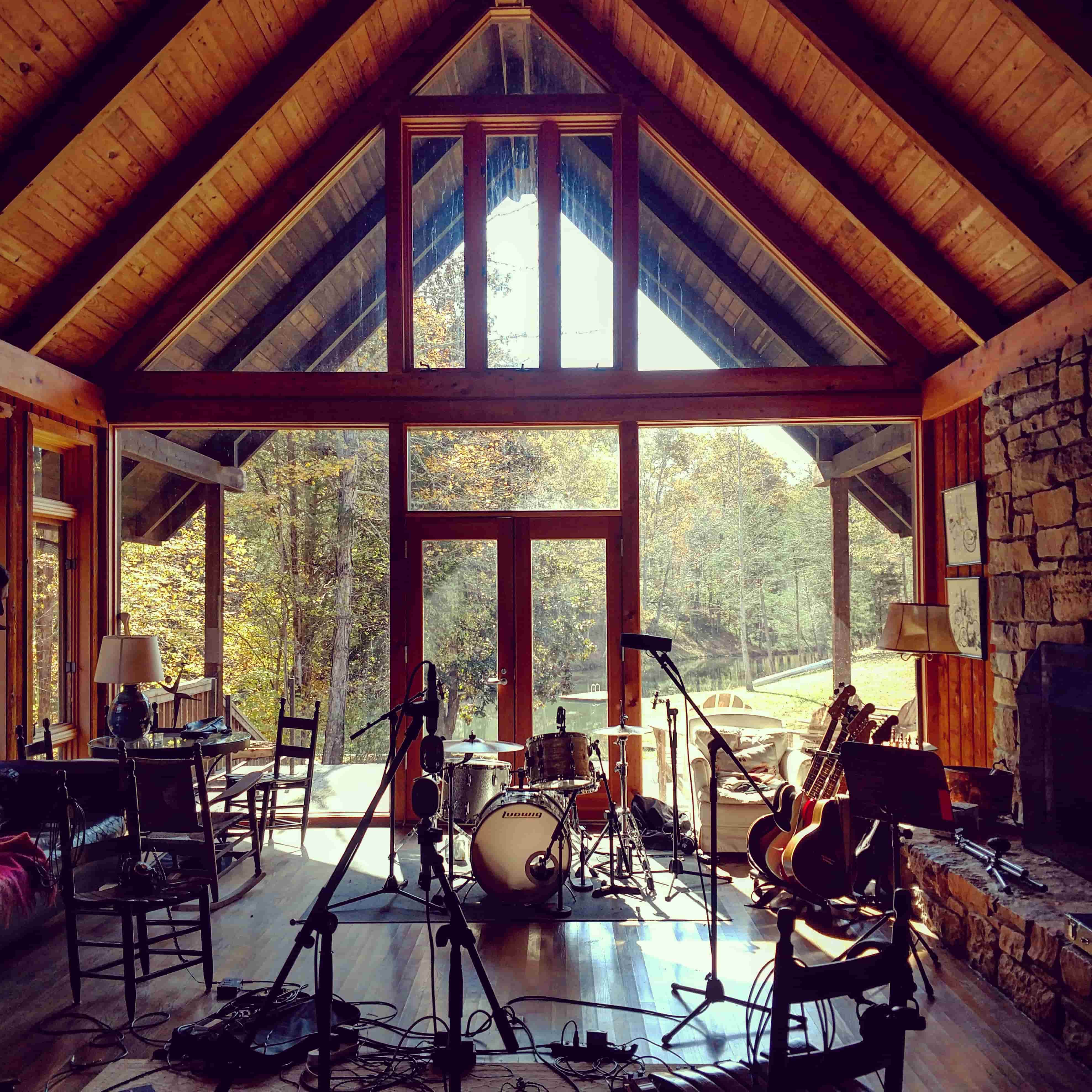
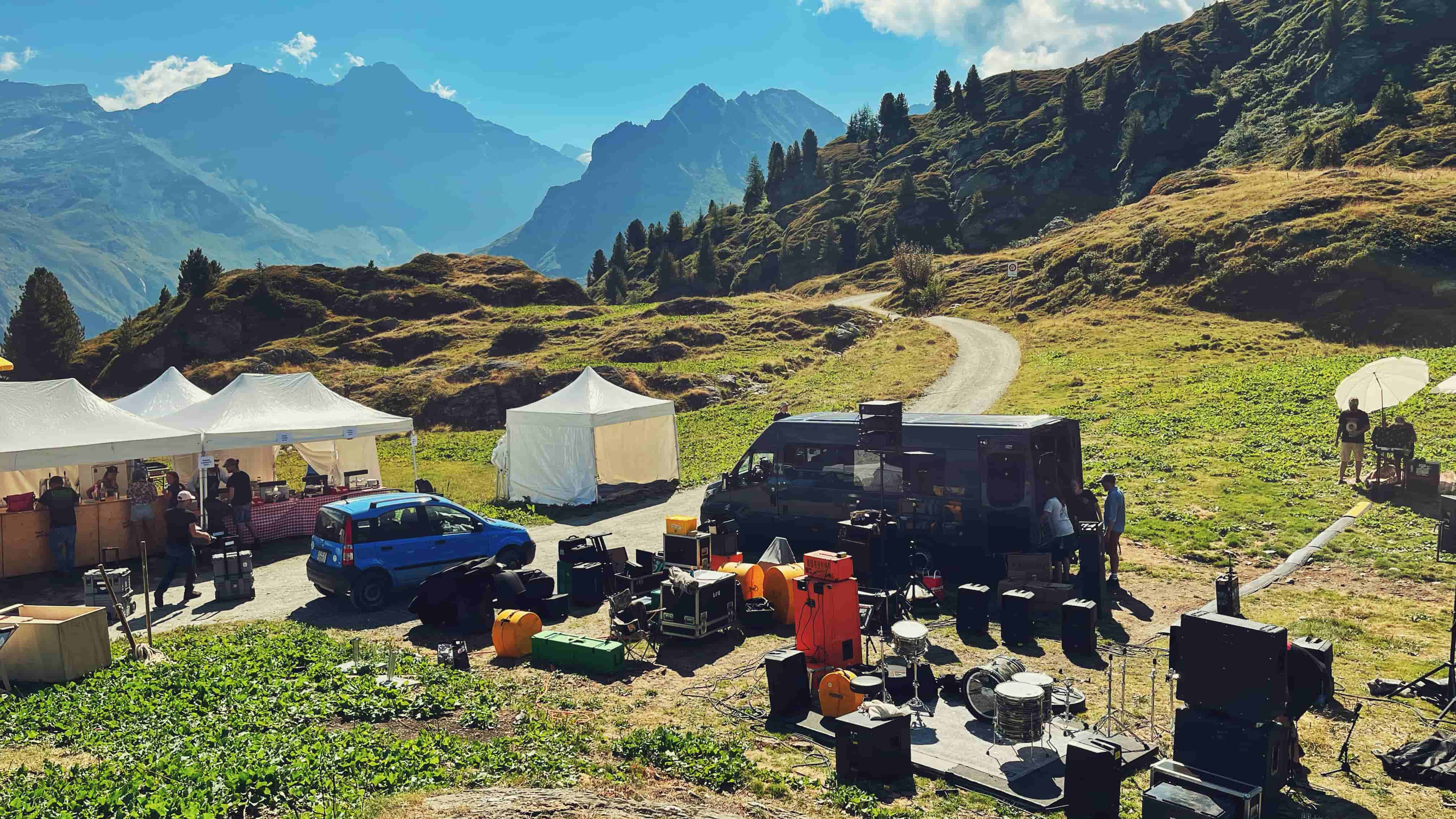
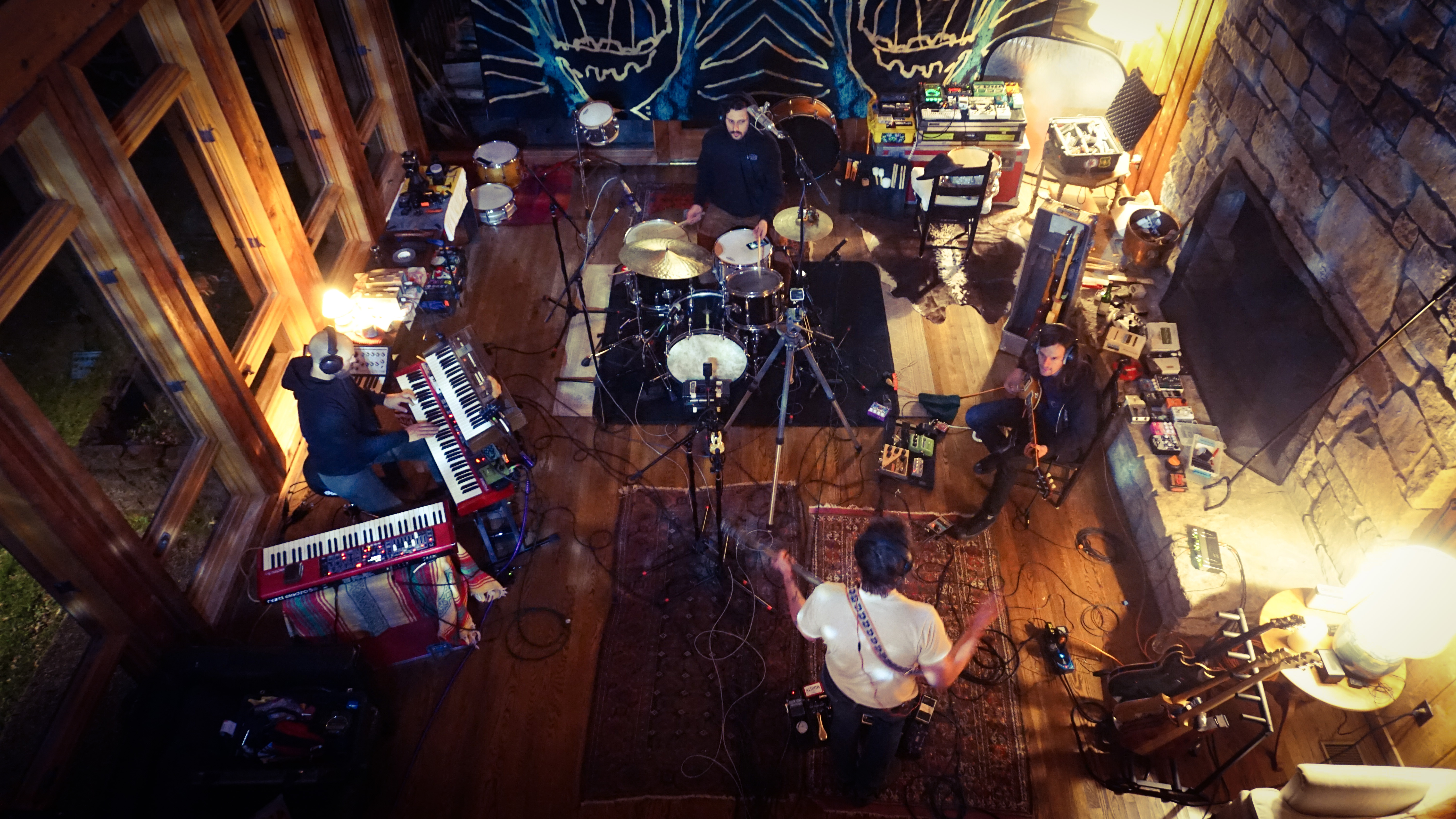
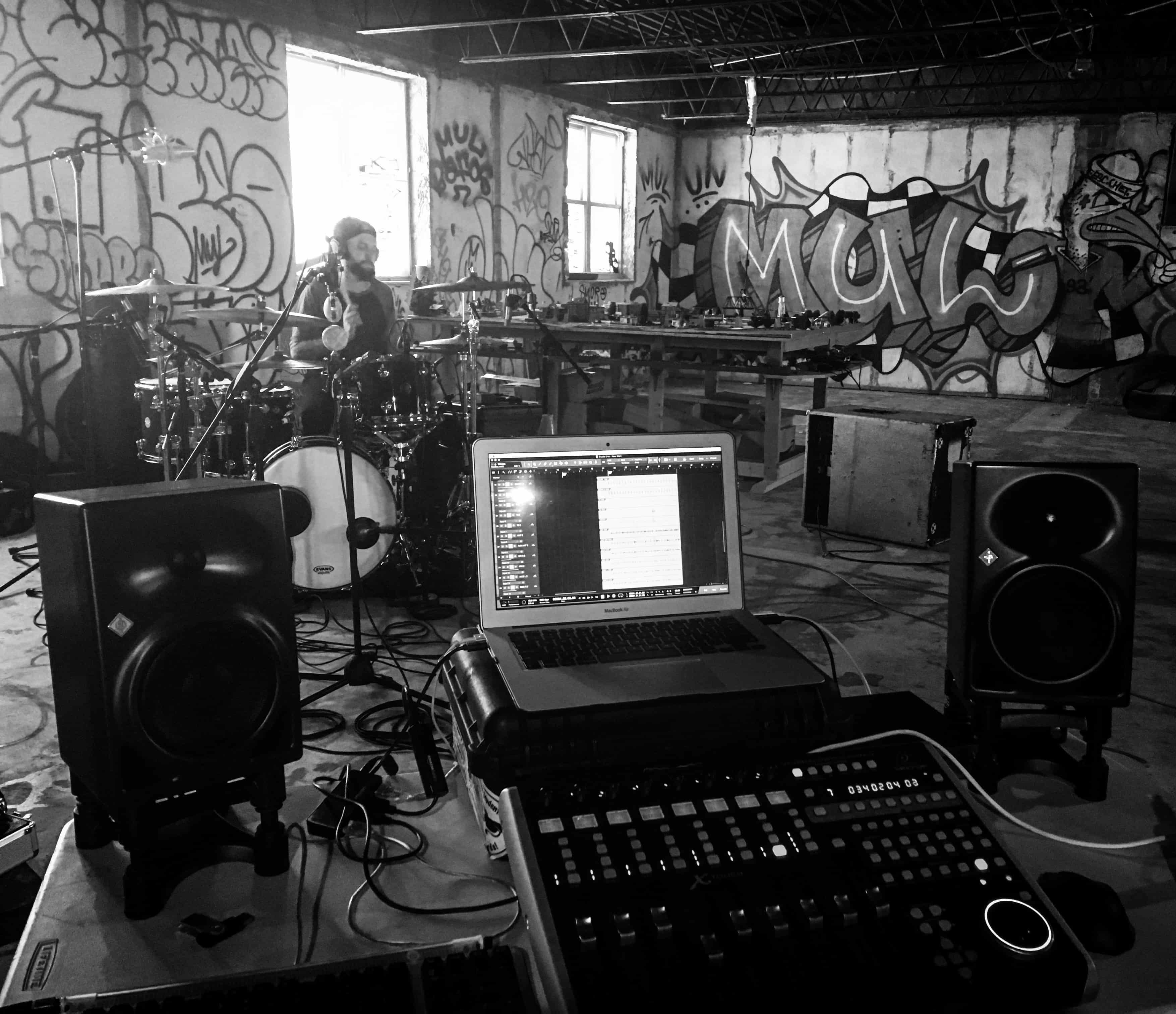
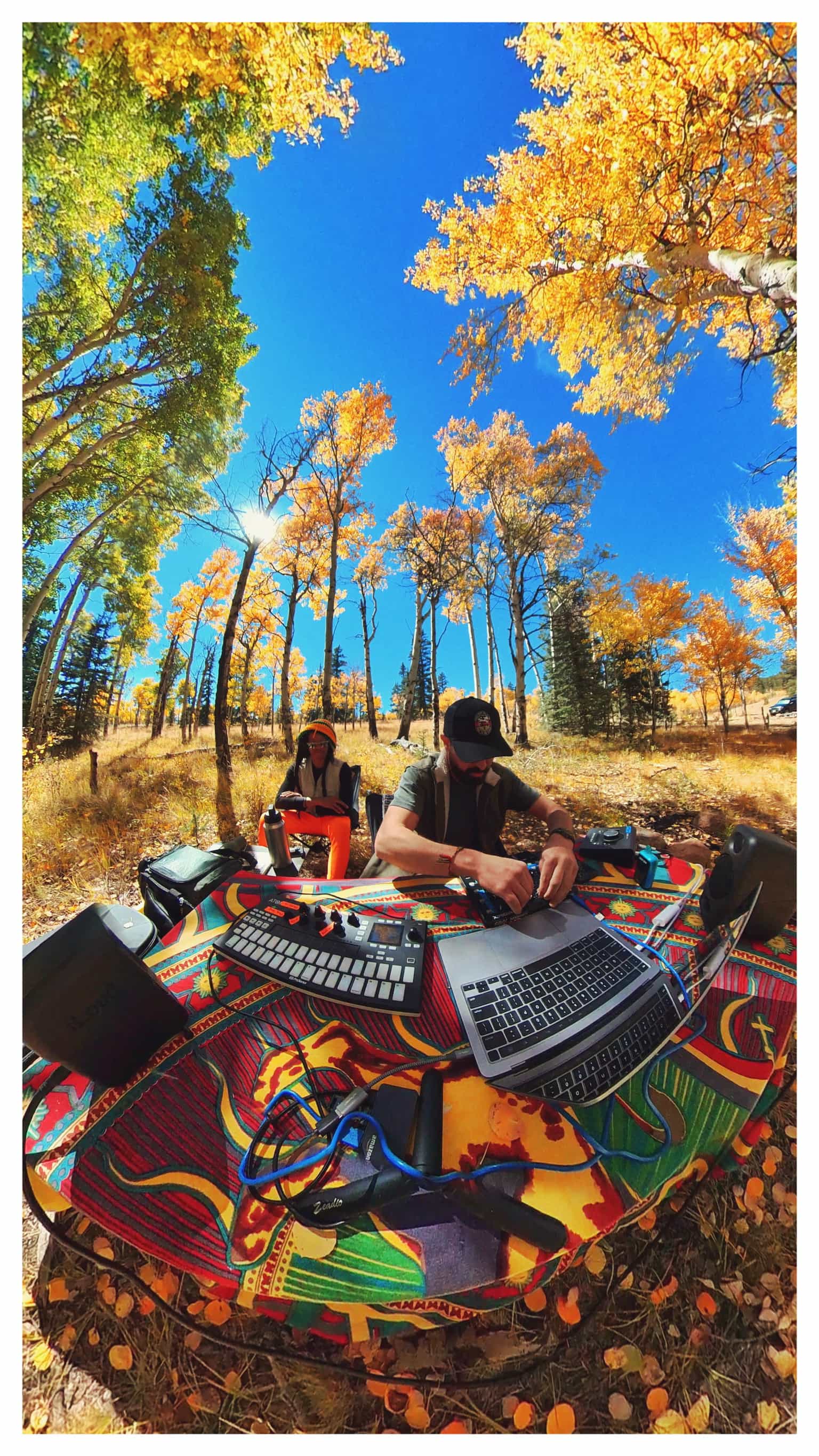
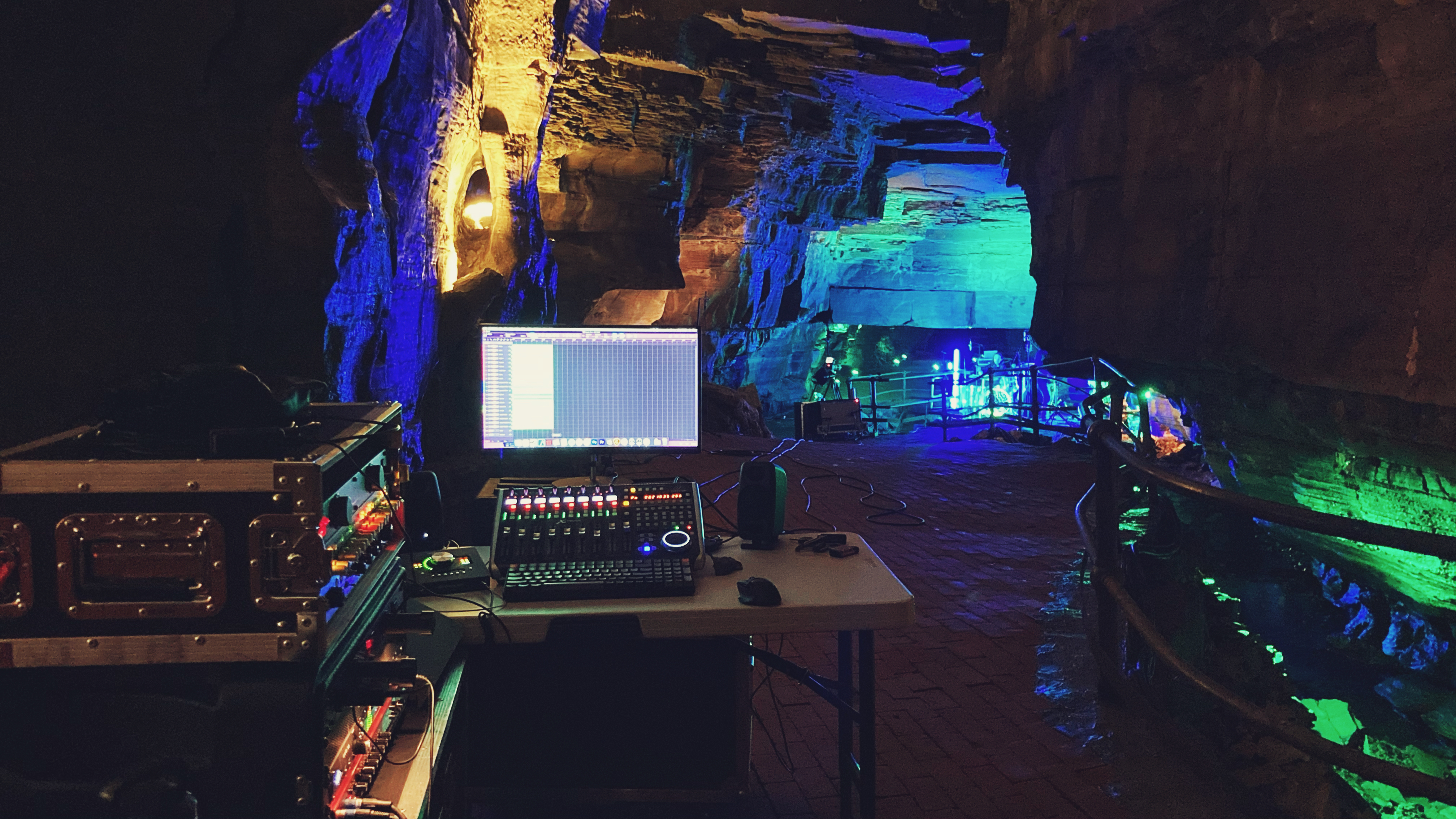
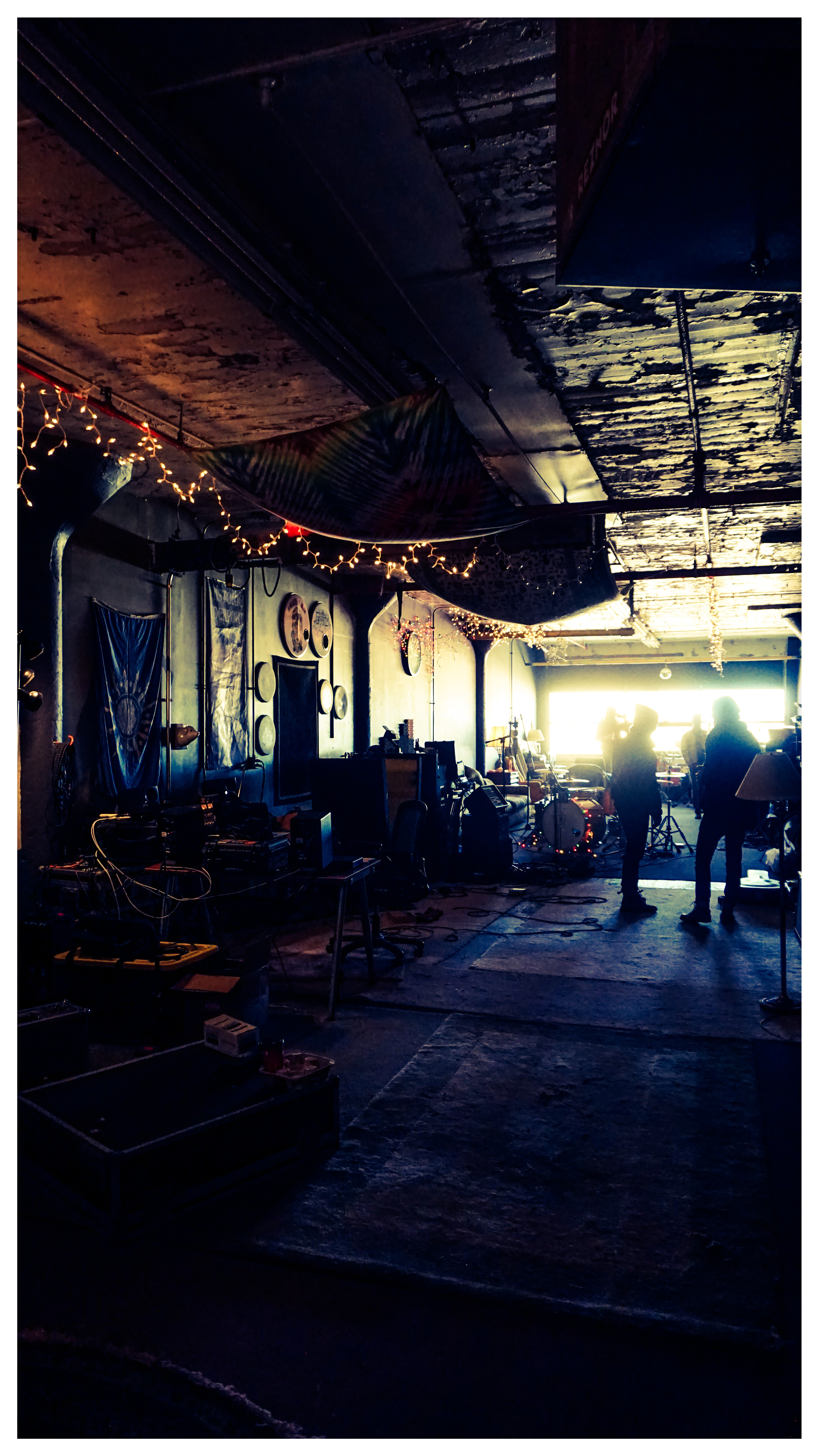
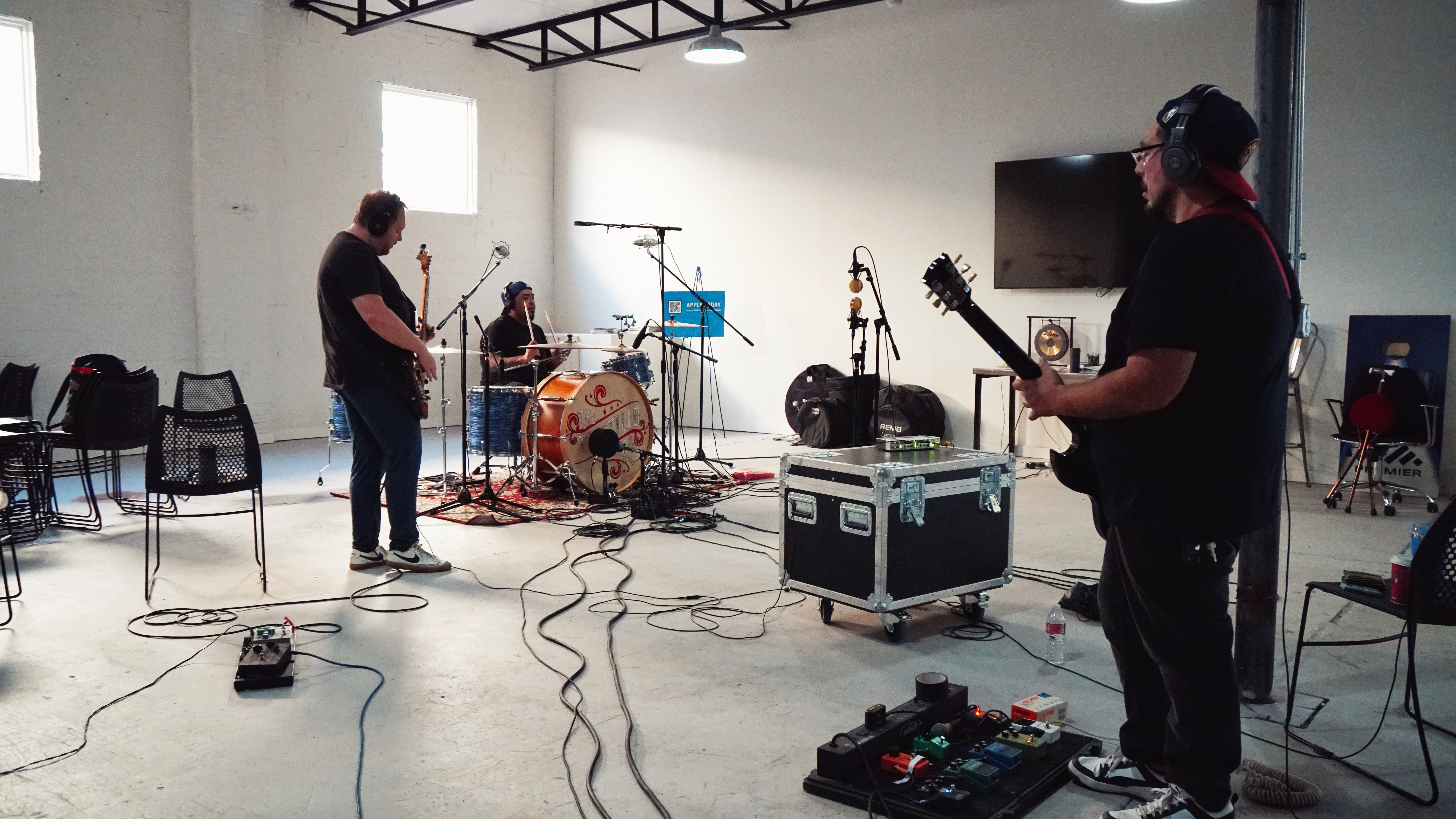
The other one happened in the studios we built along the way. Cabins, warehouses, mountains, deserts, a cave 15 stories underground. Something about setting up in spaces that weren't meant to be studios really opened my eyes and ears to what the creative process can be. How to lean into the environment. How to let the room become part of the record. That became the foundation of how I work.
Indianapolis · Now
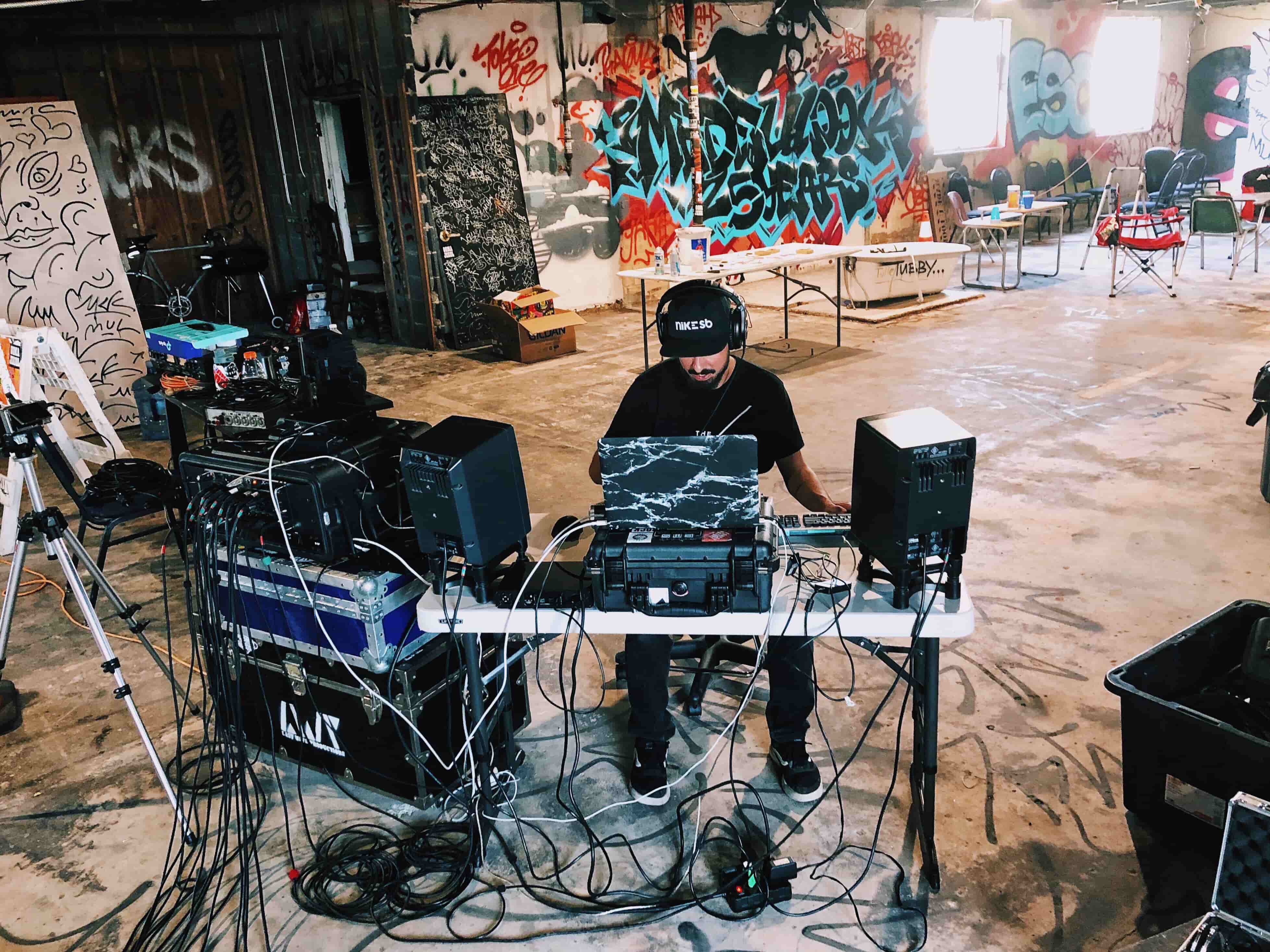
These days I'm based in Indianapolis, spending more time mixing than anything else. That focus has allowed me to develop an approach that goes beyond process, one that's purely in service of the music. Heavy hand when it calls for it, get out of the way when it doesn't. Whatever the track needs.
If you're not looking to make a lifelong friend, you might be barking up the wrong tree. Every artist I've worked with I've developed a deep connection with, and even when we're not actively working together anymore we still talk, I still cheer them on, and I still give them all the advice they need and probably some they didn't ask for. It's never been a transaction for me. It's not going to start now.
Influences
The engineers I've studied hardest are the ones who treated the room as an instrument. George Martin, Glyn Johns, Eddie Kramer. They didn't try to eliminate the space, they leaned into it, shaped it, made it part of the sound. That philosophy runs deep in everything I do. Then forward through Butch Vig, Steve Albini, Danger Mouse, Vance Powell, Dave Cobb and Eric Valentine — what they all share beyond the craft is that none of them were ever scared to break the rules in pursuit of whatever the song needed. The Dub Cellar years drilled something even deeper into my ears though. Scientist, Lee Scratch Perry, King Tubby built entire sonic universes out of space and echo and pure nerve, and that sensibility lives in everything I do on the rock side. My hip hop Mount Rushmore of J Dilla, DJ Premier, RZA, and 9th Wonder sits right alongside all of it. Those worlds cross-pollinate more than most people would expect.
How It Works
01
Before touching a single plugin, the mix starts with faders and pans only. If the song doesn't work there, it won't work anywhere. This becomes the foundation — what the music sounded like when it was originally coming together in the studio. I keep that first balance mix on hand throughout the entire process to make sure I never lose the plot.
02
That monitor mix goes out into the world. AirPods, car speakers, wherever real people actually listen. Notes get taken on what the song needs and what it doesn't. Then it's back in — top-down, 2-buss and instrument busses before ever getting granular on individual channels. Cohesion before detail, always.
03
I reach for saturation before EQ, and I have a deep love for reverb and delay — even when the end listener won't consciously notice either is there. Especially then, actually. Being a drummer informs everything on the mix side. Drum sounds are my bread and butter, and I obsess over getting them right in a way that only someone who has spent countless hours behind a kit can. If your drums don't hit, nothing else matters.
04
The goal is always cohesion before detail. Heavy hand when the music calls for it, get out of the way when it doesn't. My job isn't to put my stamp on your record — it's to find the stamp that's already there and make it undeniable.
SoundBetter Interview
What are you most proud of?
Acheron by King Buffalo. We dragged everything into a cave 15 stories underground at Howe Caverns outside of Syracuse, NY. Twelve hours to get in, set up, dial in sounds, track the whole record live, and get out. I've never been in a more alien and inhospitable space for recording in my life, and I've never had a tighter timeline. Seeing people out in the world call it their favorite King Buffalo record hits different.
Analog or digital?
Digital, and I'll never look back. I don't miss broken tape machines, hunting down a fresh reel, or dragging an intern in for recalls. Give me the music with as few hurdles as possible. Digital can sound undeniably analog these days and the end listener will never know the difference. When it comes to the creation of the music itself though — the answer is always whatever inspires the best performance. They're just tools.
What's your promise to clients?
I'm going to make you sound like you. Every time. I'll add depth, dimension, and sometimes something completely unexpected that you never saw coming. But what you get back from me is always going to be the best version of yourself that you've ever heard. That's the promise.
What's your strongest skill?
Getting the most out of a musician. Years of playing in bands and living in studios gave me a feel for musical energy that's hard to manufacture. I know what right feels like, and I know when we're not there yet. The best performances and the best mixes both come from the same place — trust. Everything I do is in service of that.
What's the biggest misconception?
That AI is going to replace us. Not a chance. AI is only as good as what you feed it and what it has to draw from. There's a difference between a mixed media painter throwing huge gestural strokes onto a canvas while interpreting their own feelings, and someone turning that painting into a spraypaint stencil. One is a human being processing the world. The other is a copy of a copy. Mixing records is the former. Always will be.
What do you love most about your job?
Meeting new people, solving the puzzle of how to make their music shine, and getting turned onto bands I never would have found otherwise. But my favorite moment of any project is that first mix session. Loading up all the files, hitting play, and just listening. Building that first monitor mix with nothing but faders and pans. I try to think like an artist in that moment, not an engineer. Everything else flows from there.
The Setup
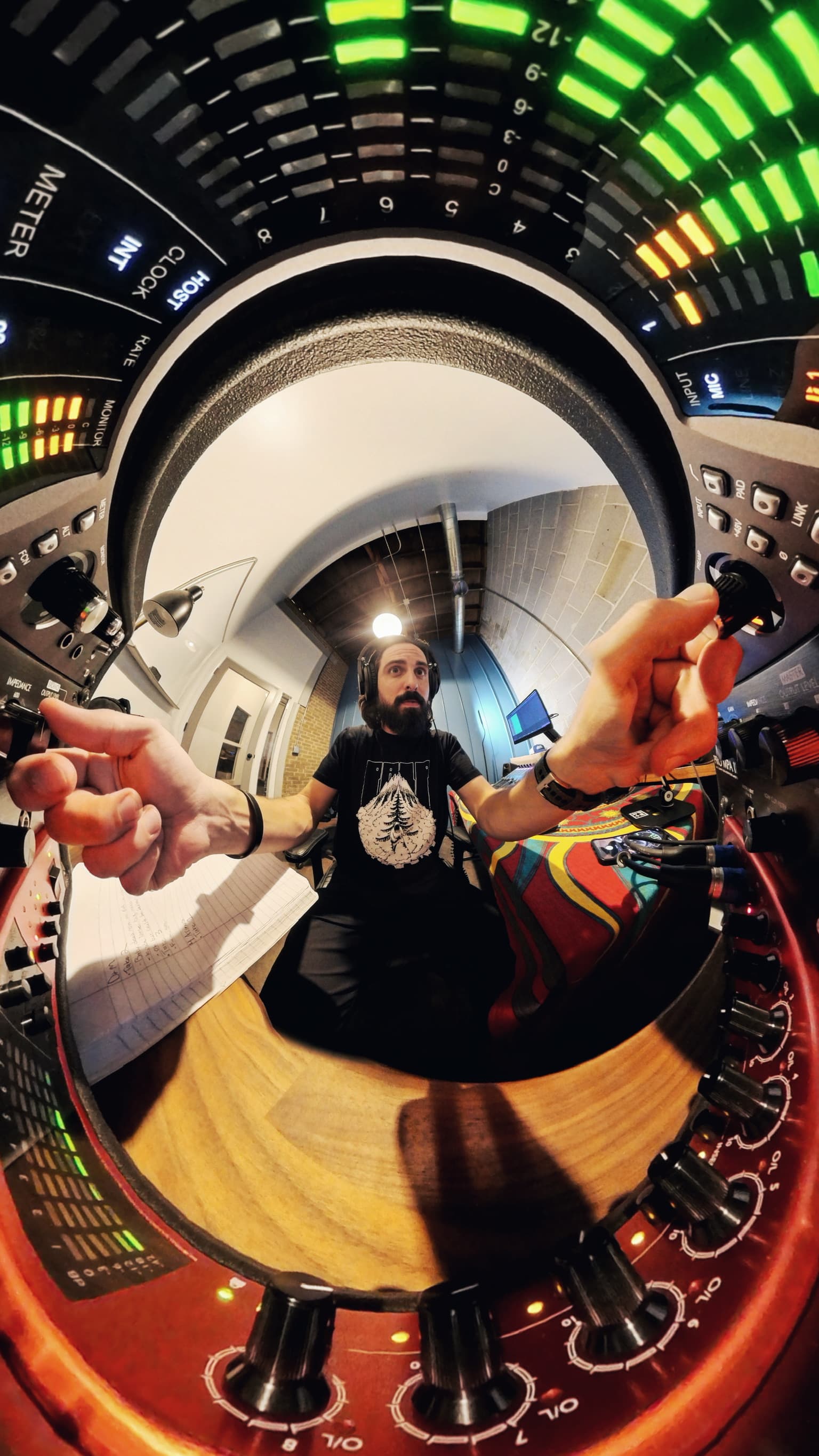
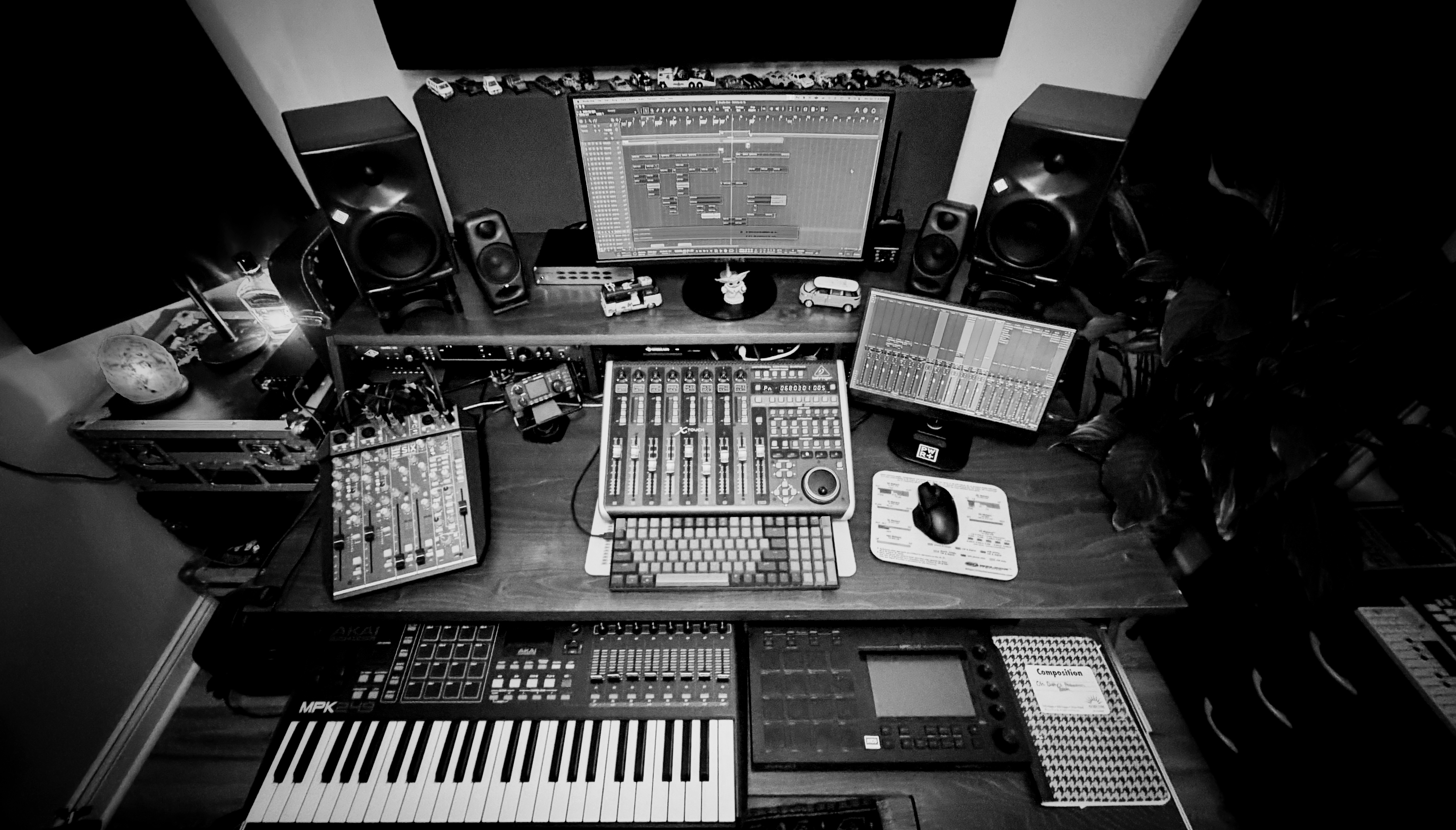
My setup is streamlined by design. I spent years chasing the gear dragon — working in world class studios and building my own room around analog desks. Eventually I wanted all of that sonic character without the overhead. These days I run a Universal Audio based setup, with an SSL SiX for summing at mixdown. But honestly? The most important part of any setup is the room. It's not the gear, it's the ear.
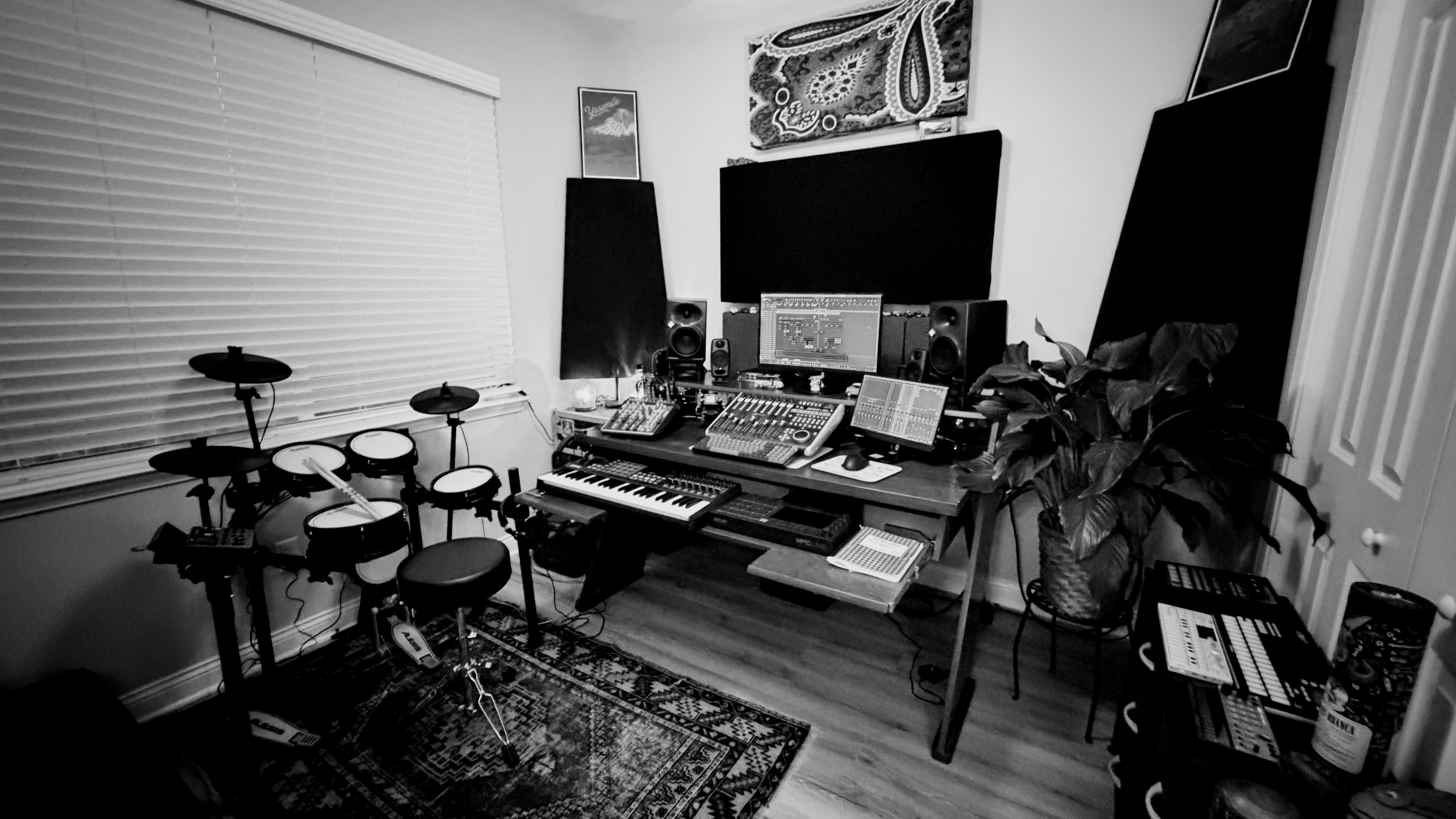
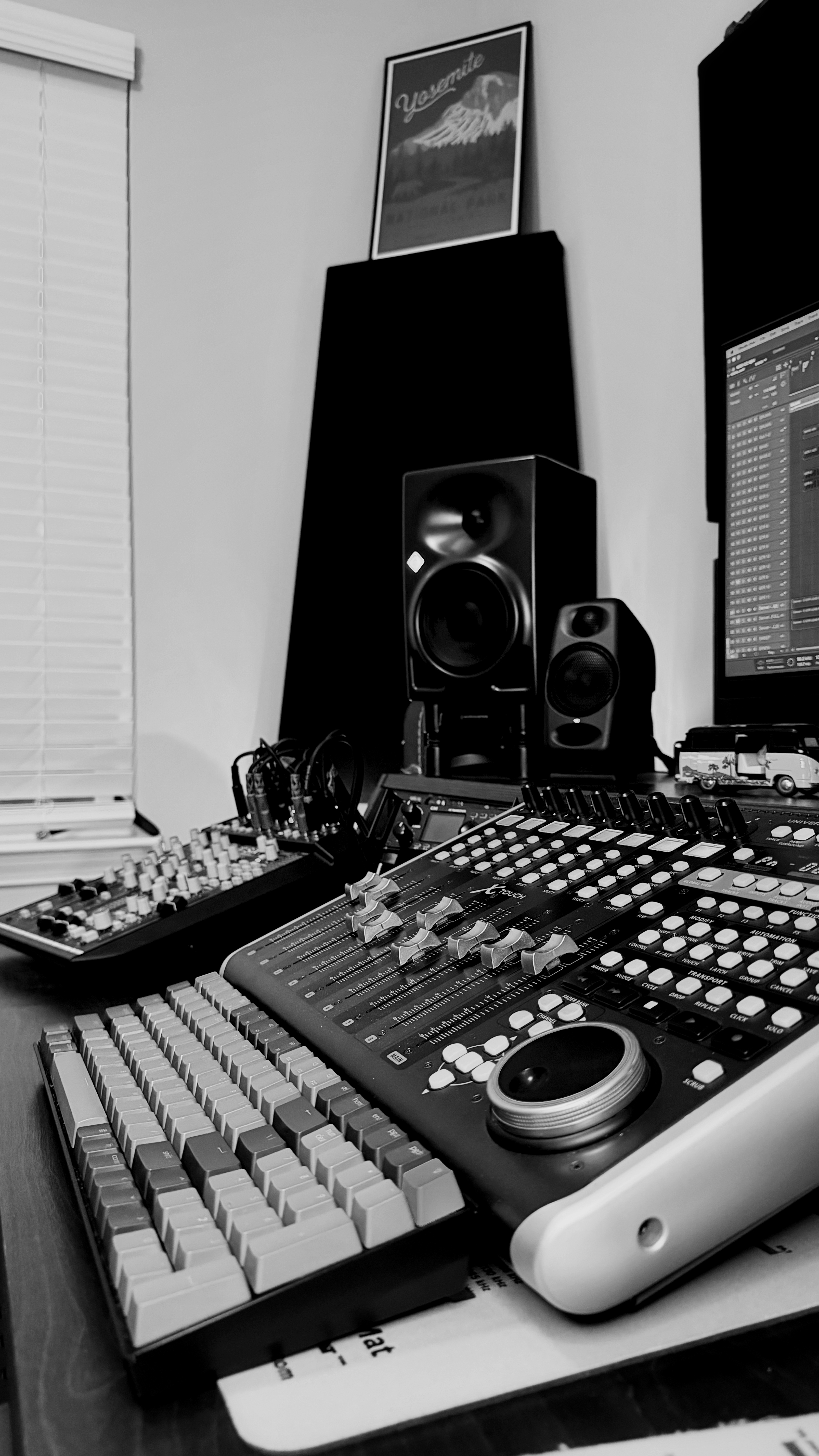
Whether you're tracking in a cave or finishing at home, the goal is the same — your music sounding exactly like it should.
Get in Touch